banner-news
News & Events
Home > News & Events > What to Do After a HOWO Truck Accident or Semi Truck Crash A Guide for Truck Drivers

What to Do After a HOWO Truck Accident or Semi Truck Crash A Guide for Truck Drivers

News & Events|

What to Do After a HOWO Truck Accident or Semi Truck Crash: A Guide for Truck Drivers

Experiencing a HOWO truck accident or any semi truck crash can be one of the most stressful and disorienting events in a truck driver's career. The moments following a collision are critical, not only for your safety and the safety of others but also for your legal and professional future. Knowing exactly what to do after a truck accident can make a significant difference in the outcome. This guide provides a clear, step-by-step action plan tailored for professional drivers, especially those operating HOWO trucks, to navigate the chaotic aftermath effectively.

Immediate Steps to Take at the Scene

Your first priority is always safety. A HOWO truck crash scene can be dangerous due to traffic, potential fuel leaks, or other hazards.

  • Check for Injuries: First, assess yourself and then others for injuries. Call 911 immediately if anyone is hurt. Even minor aches should be documented, as they can develop into more serious issues later.
  • Move to Safety: If the vehicles are operational and it's safe to do so, move them to the shoulder or another safe area to avoid secondary collisions. Turn on your hazard lights and set out reflective triangles or flares as required by law.
  • Contact the Authorities: Never leave the scene. A police report is an essential document for insurance and potential legal proceedings. When the officers arrive, provide a factual account of what happened without admitting fault or speculating.

Documenting the HOWO Truck Accident Thoroughly

Comprehensive documentation is your most powerful tool after an accident. Insurance companies and investigators will rely heavily on this evidence.

  • Gather Information: Exchange names, contact details, insurance information, and vehicle identification numbers with all involved parties. Collect contact information from witnesses as well.
  • Take Photographs and Videos: Use your phone to capture every angle of the scene, including vehicle damage, license plates, skid marks, road conditions, traffic signs, and weather. Document the interior of your cab if the event was caused by a mechanical failure.
  • File a Detailed Report: Most companies require an internal accident report. Be precise, objective, and thorough in your written narrative. This report should align with the official police report.

Navigating the Aftermath: Legal and Professional Considerations

So, what happens when a truck driver has an accident? The process involves several key players and steps.

Notification Procedures: You must notify your dispatcher and safety department as soon as it is safe to do so. They will guide you through the company's specific protocols. Failure to report an accident promptly can result in severe disciplinary action.

Understanding the Role of a Crash Truck Driver: You might wonder, "what is a crash truck driver?" In some contexts, this term refers to drivers of official "crash trucks" or emergency vehicles that respond to accidents. However, in this scenario, it pertains to you as the professional driver involved in the crash. Your training and composure are being tested.

Cooperating with Investigations: Your company and its insurance carrier will conduct an investigation. You may also be dealing with DOT compliance reviews. Be honest and cooperative, but it is often advisable to consult with a legal representative before providing extensive recorded statements to other parties' insurers.

Prioritizing Physical and Mental Health

A HOWO truck crash is not just a physical event; it's a traumatic one. The National Institute for Occupational Safety and Health (NIOSH) highlights that truck drivers can experience significant psychological stress following an accident.
  • Seek Medical Attention: Even if you feel fine, get a thorough medical examination. Some injuries, like whiplash or concussions, have delayed symptoms.
  • Address Mental Well-being: It's normal to experience anxiety, sleep disturbances, or stress after a traumatic event. Many companies offer Employee Assistance Programs (EAPs) that provide confidential counseling. Seeking help is a sign of professionalism, not weakness.

Preventative Measures and Proactive Training

While this guide focuses on reactive steps, the best strategy is always prevention. The Federal Motor Carrier Safety Administration (FMCSA) emphasizes the importance of continuous training on defensive driving, hours-of-service compliance to prevent fatigue, and pre-trip inspections to ensure your HOWO truck is in optimal mechanical condition. Regularly reviewing these protocols can drastically reduce the risk of a semi truck accident.

Conclusion: Regaining Control After a Crisis

A HOWO truck accident or semi truck crash is a challenging experience, but your response defines the path to recovery. By following these steps—prioritizing safety, meticulously documenting the event, understanding the legal process, and caring for your health—you protect yourself, your career, and your livelihood. Remember, knowledge and preparation are your greatest assets on the road. Stay safe, stay informed, and know that you have the resources and resilience to handle this situation professionally.
Relevant Materials

SINOTRUK Application Areas

Discover the diverse industries and sectors where SINOTRUK heavy-duty trucks deliver exceptional performance and reliability

SINOTRUK Solutions

Comprehensive heavy-duty transportation solutions tailored to your industry needs

Fuel Efficiency Solutions

Fuel Efficiency Solutions

Advanced engine technologies and aerodynamic designs that maximize fuel efficiency and reduce operational costs.

Up to 15% fuel savings compared to industry averages
  • Advanced combustion optimization
  • Smart energy management systems
  • Eco-driving training programs
Heavy Payload Solutions

Heavy Payload Solutions

Engineered for maximum load capacity without compromising safety or durability in demanding conditions.

Payload capacities up to 70 tons for specialized models
  • Reinforced chassis designs
  • High-strength alloy components
  • Advanced suspension systems
Cold Chain Solutions

Cold Chain Solutions

Specialized refrigerated transport solutions for temperature-sensitive goods with precise climate control.

Temperature control range: -30°C to +30°C
  • Multi-zone temperature management
  • Real-time monitoring systems
  • Energy-efficient refrigeration units
Digital Fleet Solutions

Digital Fleet Solutions

Integrated telematics and fleet management systems for real-time monitoring and optimization.

Reduce operational costs by up to 20%
  • Real-time GPS tracking
  • Predictive maintenance alerts
  • Driver performance analytics

SINOTRUK Customer Service

Comprehensive support solutions for SINOTRUK customers worldwide
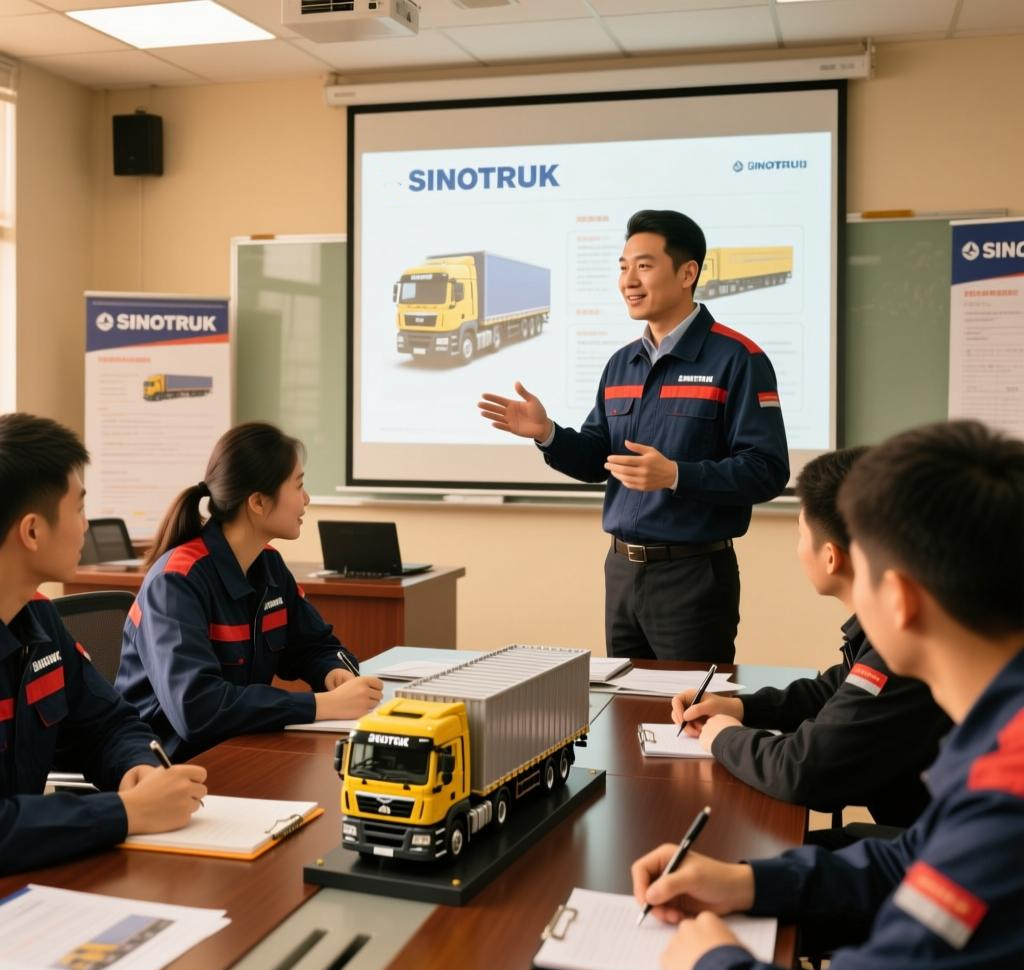
Technical Support

Technical Support

24/7 expert technical assistance for all SINOTRUK vehicles and equipment.
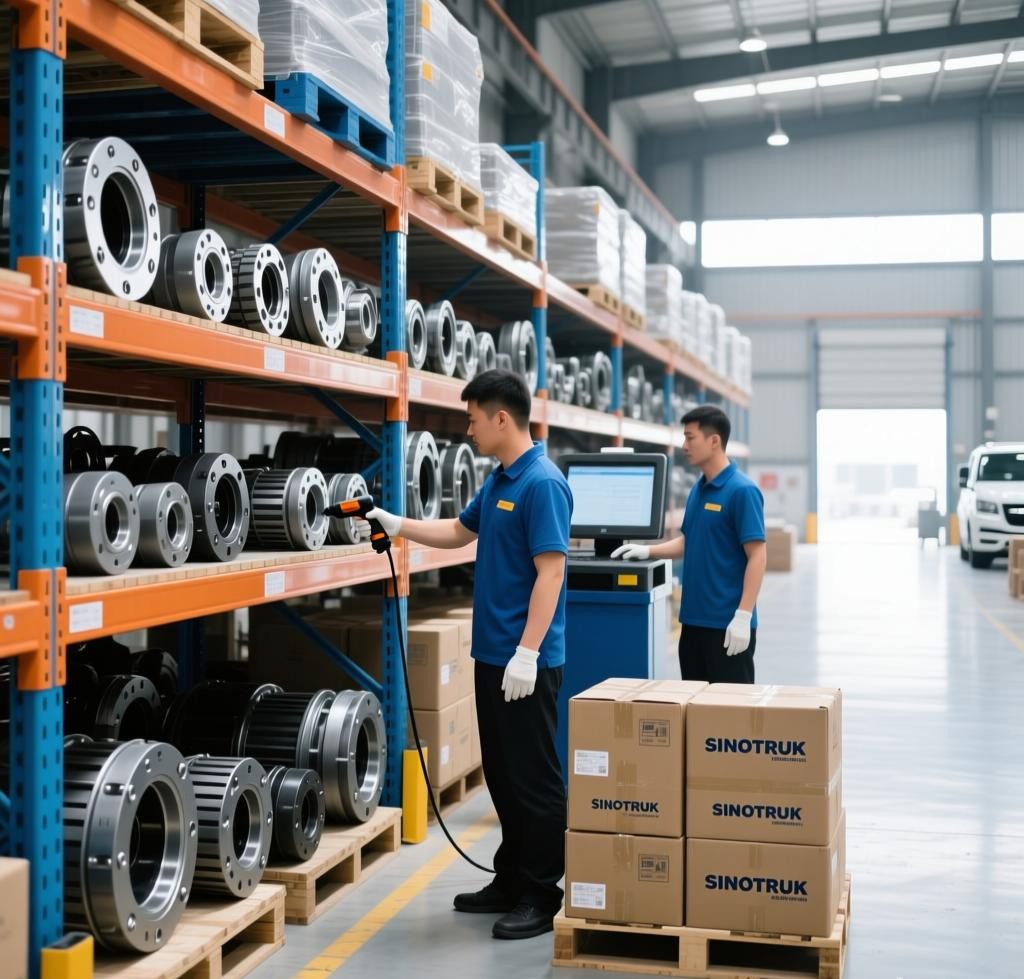
  • On-site troubleshooting
  • Remote diagnostics
  • Technical hotline support
support@sinotruk.international
Locate service center
Parts Supply

Parts Supply

Genuine SINOTRUK parts with global availability and fast delivery.
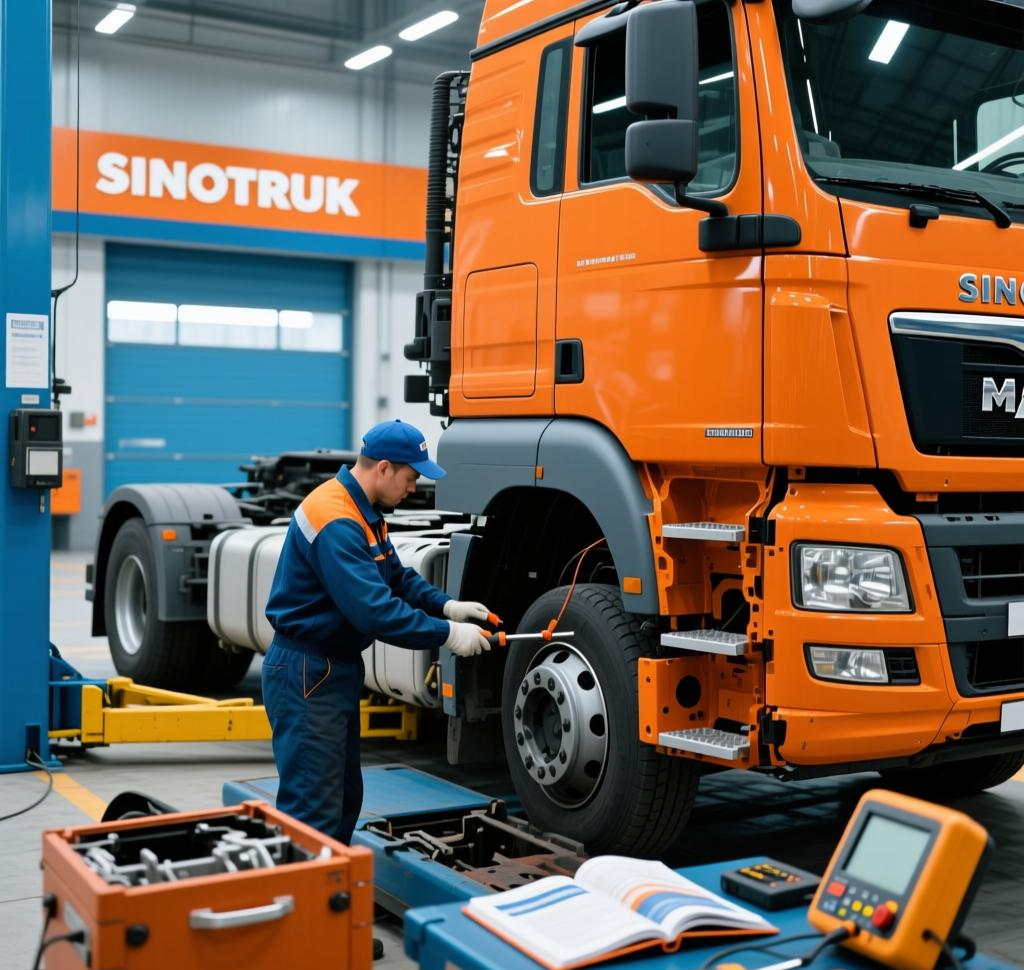
  • OEM quality assurance
  • Global distribution network
  • Express delivery options
parts@sinotruk.international
Find nearest dealer
Maintenance Services

Maintenance Services

Professional maintenance programs to maximize vehicle lifespan and performance.

  • Scheduled maintenance plans
  • Preventive maintenance packages
  • Fleet management solutions
service@sinotruk.international
Locate service center
Training Programs

Training Programs

Technical training for operators, mechanics, and service technicians.

  • Operator certification
  • Technician training
  • Fleet management courses
training@sinotruk.international
View course catalog

Frequently Asked Questions

Find answers to common questions about SINOTRUK products and services

FAQ Support
What is the warranty period for SINOTRUK vehicles?

SINOTRUK offers a comprehensive warranty package:

  • Standard warranty: 2 years or 200,000 km (whichever comes first)
  • Extended warranty options available for critical components
  • Special warranty programs for fleet operators
How can I find spare parts for my SINOTRUK truck?

SINOTRUK has a global network of parts distributors:

  • Use our online parts locator at parts.sinotruk.international
  • Contact your local authorized dealer
  • Emergency Parts Support: parts@sinotruk.international(24/7)
  • Average delivery time: 24-72 hours for common parts
What maintenance schedule should I follow for my truck?

Recommended maintenance intervals:

  • Daily checks: Fluid levels, tire pressure, lights
  • Every 15,000 km: Oil and filter change
  • Every 30,000 km: Full system inspection
  • Annual: Comprehensive service and safety check

Specific schedules vary by model and operating conditions.

How does SINOTRUK support environmental sustainability?

SINOTRUK is committed to sustainable operations:

  • Euro VI compliant engines with reduced emissions
  • Electric and hybrid truck development programs
  • Recycling program for end-of-life vehicles
  • Energy-efficient manufacturing processes
What financing options are available for SINOTRUK vehicles?

SINOTRUK offers flexible financing solutions:

  • Lease-to-own programs
  • Low-interest financing through partner banks
  • Fleet financing packages
  • Government subsidy programs in eligible regions
  • Custom payment plans for large orders

Ready to find your perfect truck?

Contact us for the latest product information and professional consultation, our sales team will provide you with the most suitable solution