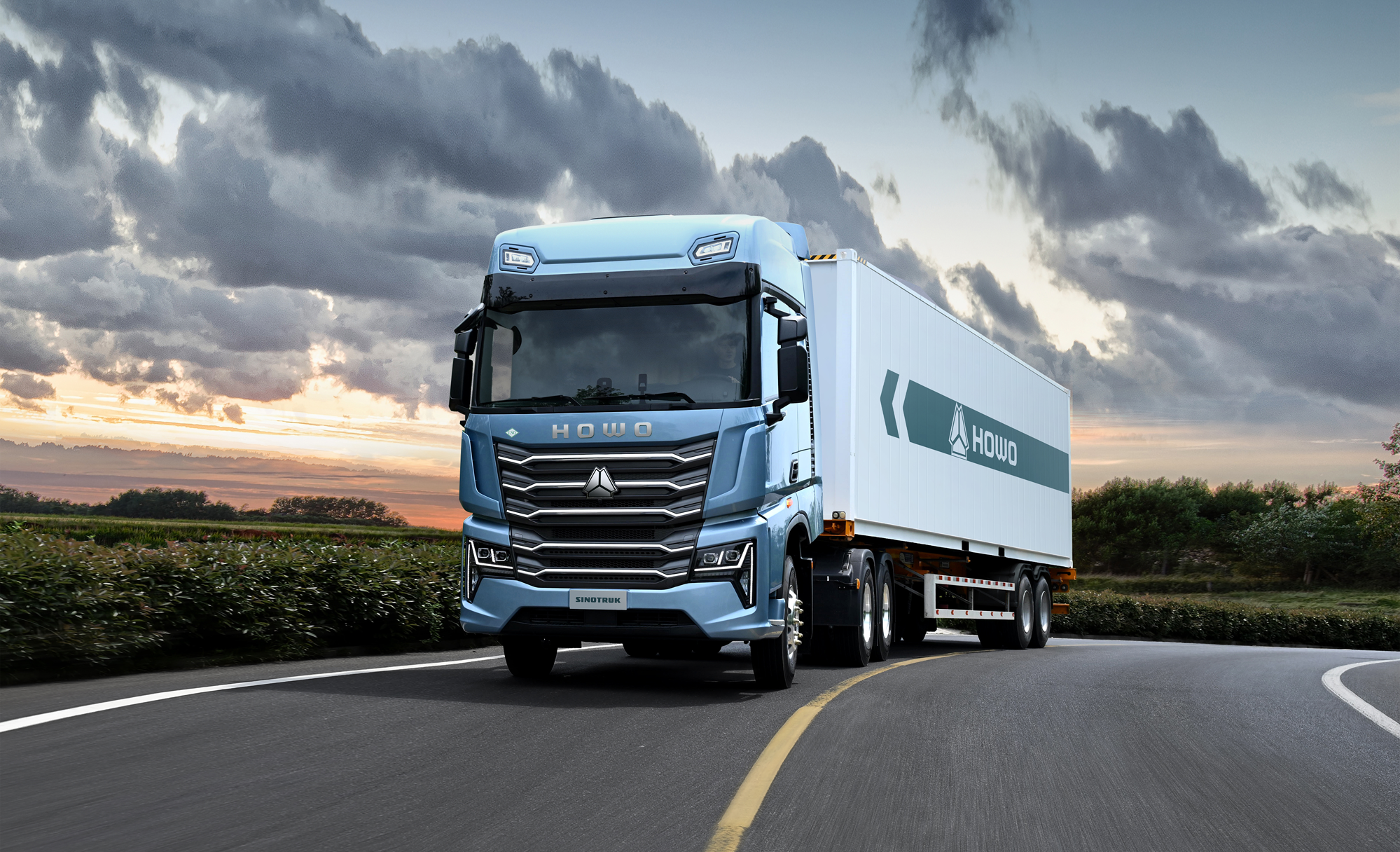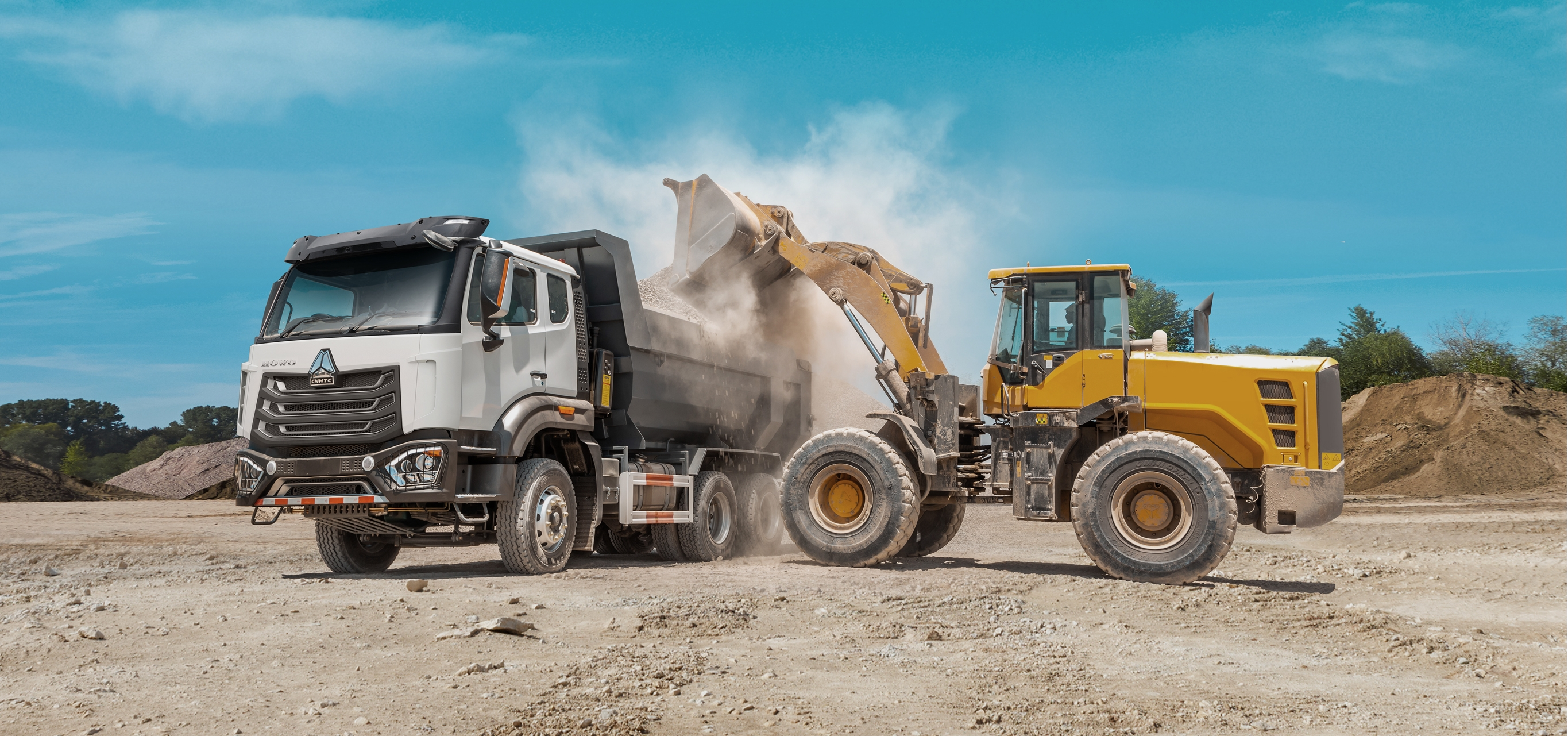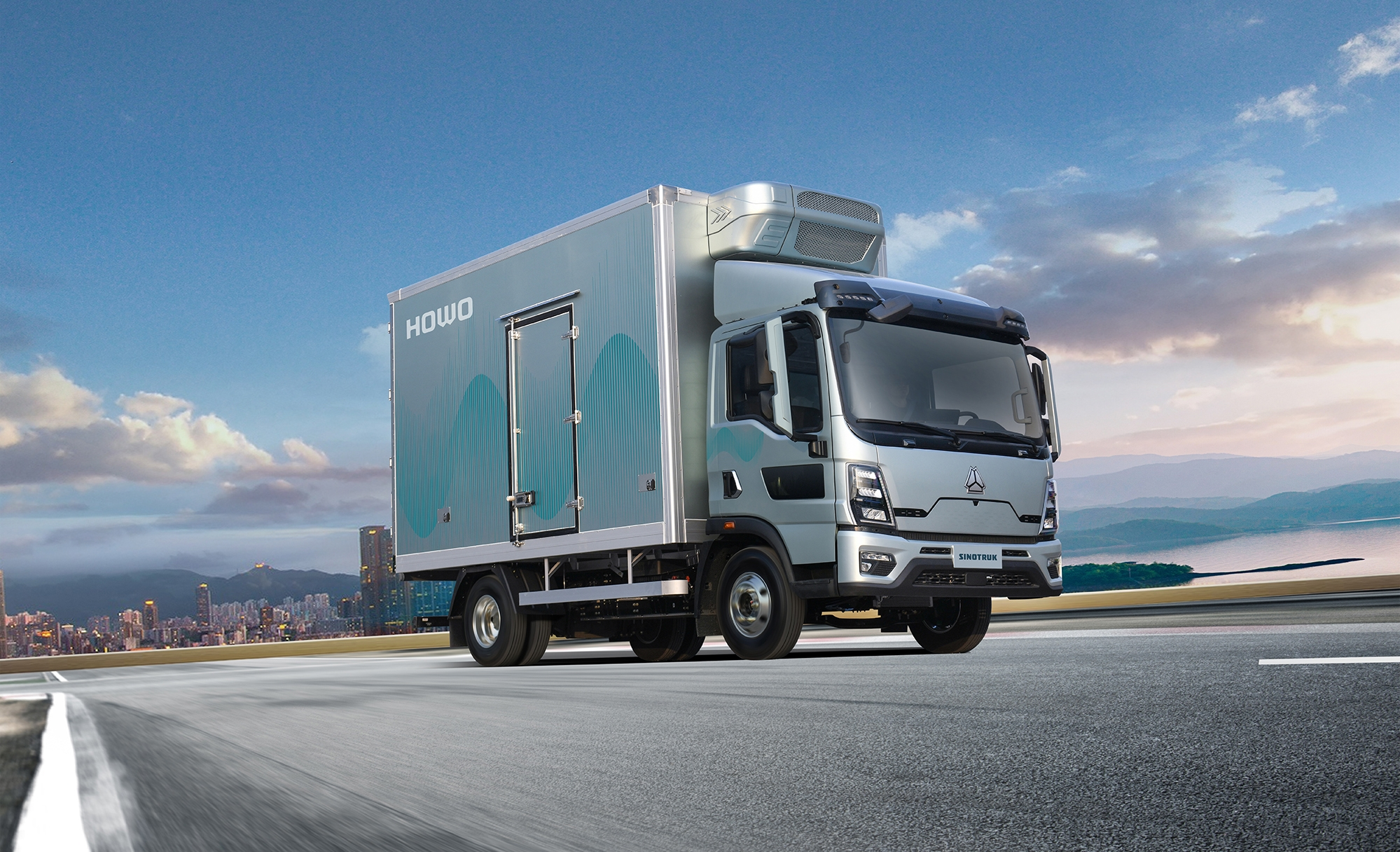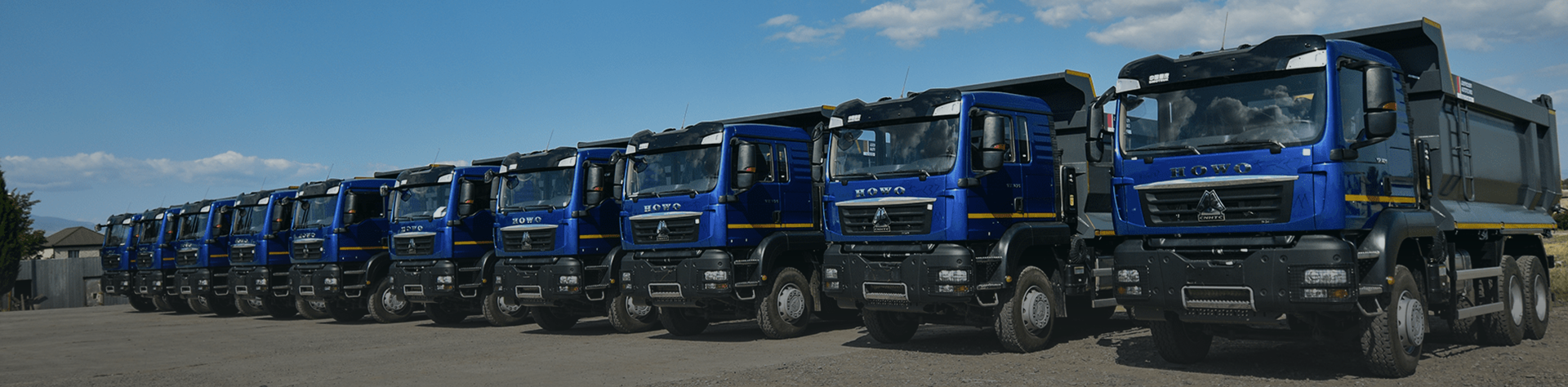
Stepping into the cab of a HOWO truck for the first time can be intimidating, especially when you're faced with a manual transmission. While automatic options are becoming more common, the manual gearbox remains a popular and respected choice in the trucking industry for its durability and direct control. Learning how to drive a manual transmission truck is a valuable skill that gives you greater command over your vehicle. This comprehensive guide will walk you through everything you need to know, from starting procedures to understanding your transmission options, specifically focusing on the robust HOWO truck models.
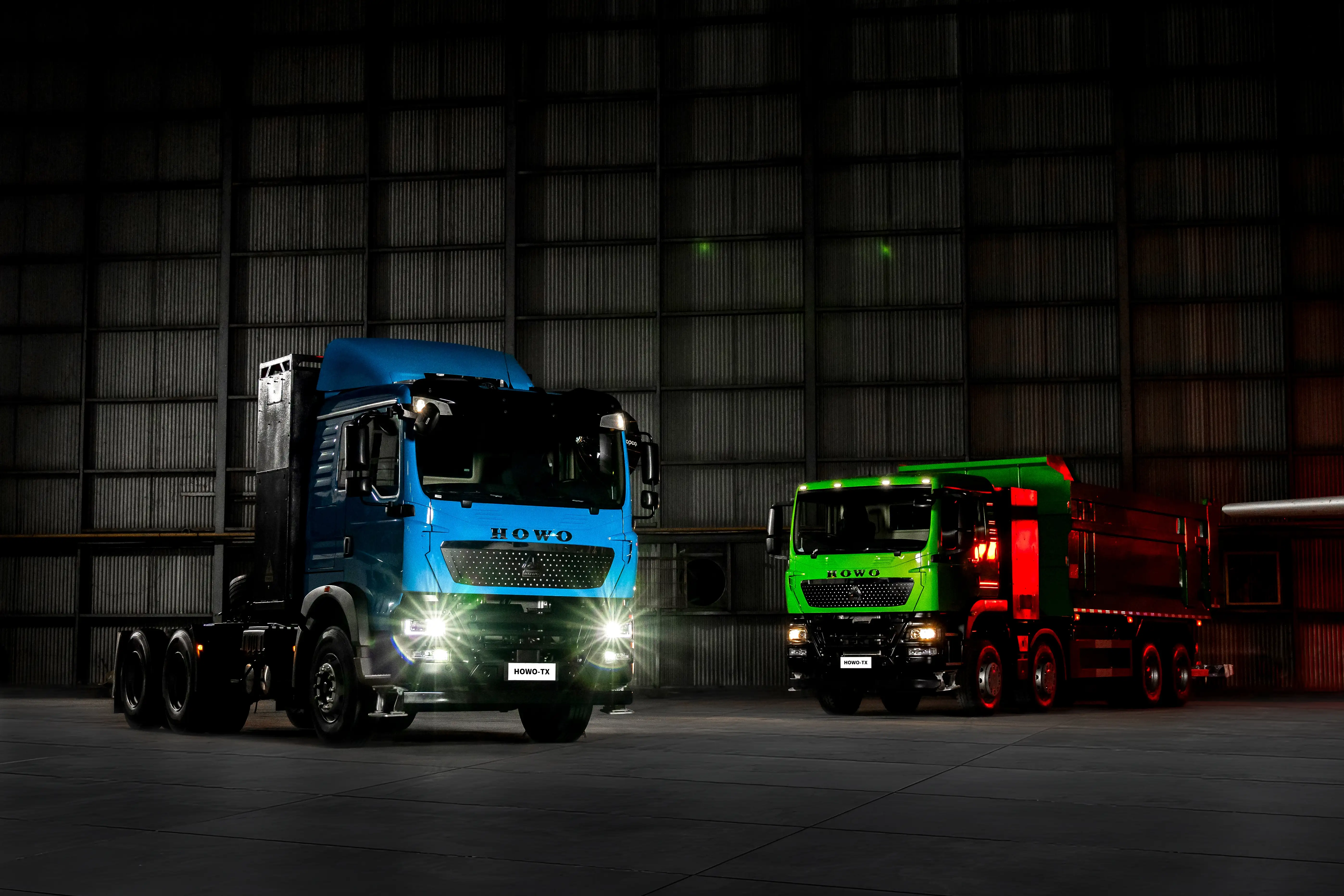
Many new drivers wonder, "does anyone make a manual transmission truck anymore?" The answer is a resounding yes. Manufacturers like Sinotruk continue to produce HOWO truck manual transmission models for several compelling reasons. Manual transmissions are generally less complex than their automatic counterparts, leading to lower maintenance costs and easier repairs – a significant advantage for fleet operators. They also provide better engine braking on descents and can offer improved fuel efficiency in the hands of a skilled driver. For those operating in extreme conditions or heavy-haul scenarios, the direct control of a manual gearbox is often preferred.
Before you even think about moving the truck, it's crucial to familiarize yourself with the controls. The layout typically includes:
The gear pattern is usually displayed on the shift knob. Most HOWO trucks feature a standard H-pattern with 6-10 forward gears, sometimes with a high-low range selector for additional gear ratios.
For beginners learning how to drive a manual truck for beginners, the starting procedure is the first hurdle to overcome. Follow these steps carefully:
This process might seem straightforward, but it requires practice to become smooth and automatic. The most common mistake beginners make is not fully depressing the clutch, which can prevent the truck from starting or cause grinding noises.
Once the engine is running, the real challenge begins – getting the truck moving without stalling. Here's the technique:
Finding the bite point is the key skill for how to drive a manual transmission truck successfully. Each HOWO truck has its own clutch characteristics, so spend time getting to know your specific vehicle in a safe, open area before hitting the road.
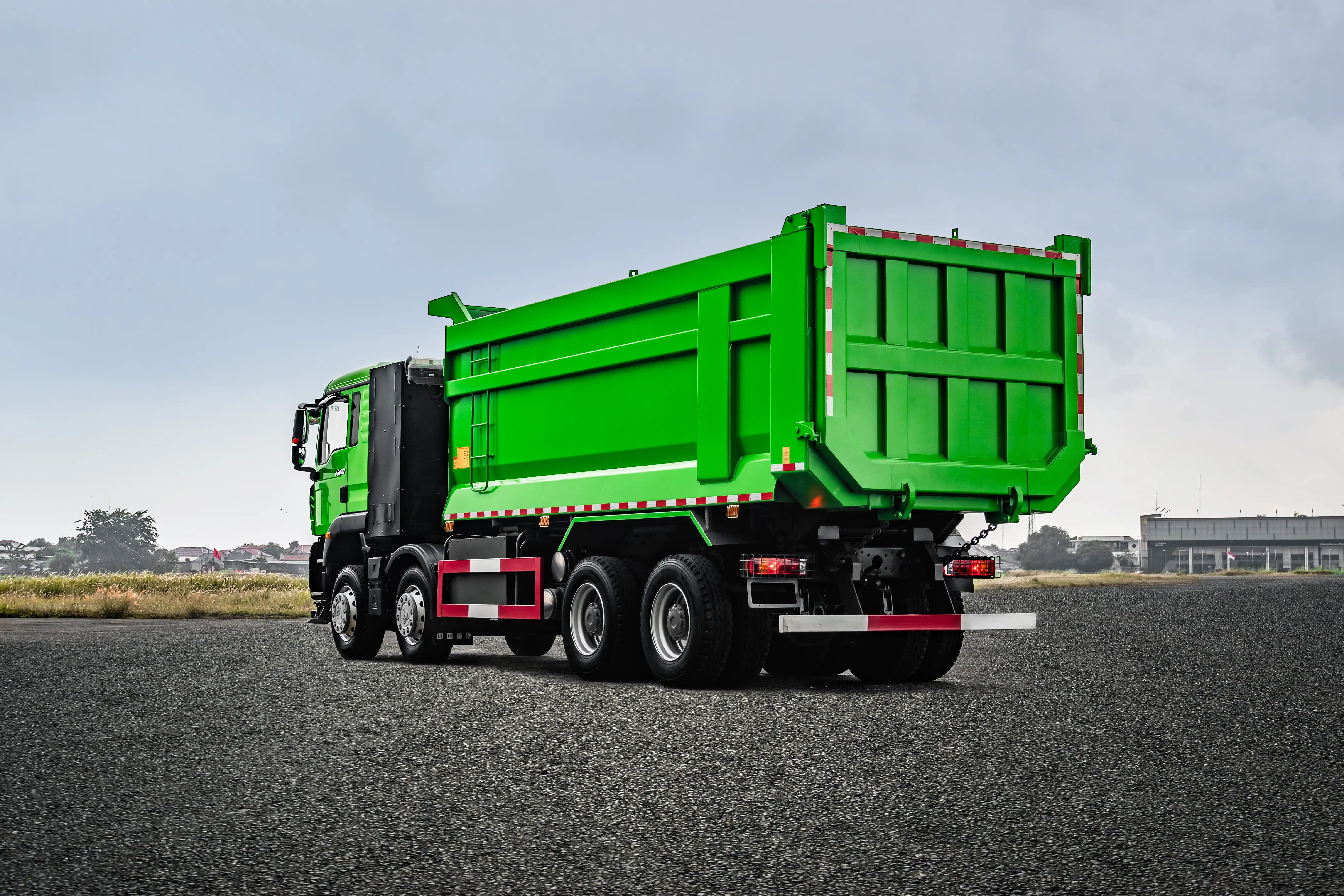
Proper gear changing is essential for smooth operation and fuel efficiency. The basic principle is to match engine RPM to road speed. For upward shifts:
For downward shifts, the process is similar but may require "rev matching" – briefly increasing engine RPM before releasing the clutch to ensure a smooth transition to the lower gear.
When considering a HOWO truck purchase, you'll need to decide between HOWO truck manual transmission and HOWO truck automatic transmission options. Here's how they compare:
| Feature | Manual Transmission | Automatic Transmission |
|---|---|---|
| Initial Cost | Lower | Higher |
| Maintenance Cost | Generally lower | Generally higher |
| Fuel Efficiency | Driver-dependent | Consistent (computer-optimized) |
| Control Level | High | Moderate |
| Learning Curve | Steeper | Gentler |
| Resale Value | Varies by market | Generally good |
Modern HOWO truck automatic transmission systems have improved significantly, offering smooth shifting and improved fuel economy. They reduce driver fatigue in stop-and-go traffic and can be beneficial for operations where drivers frequently change. However, manuals still hold advantages in certain applications, particularly heavy haulage and mountainous terrain.
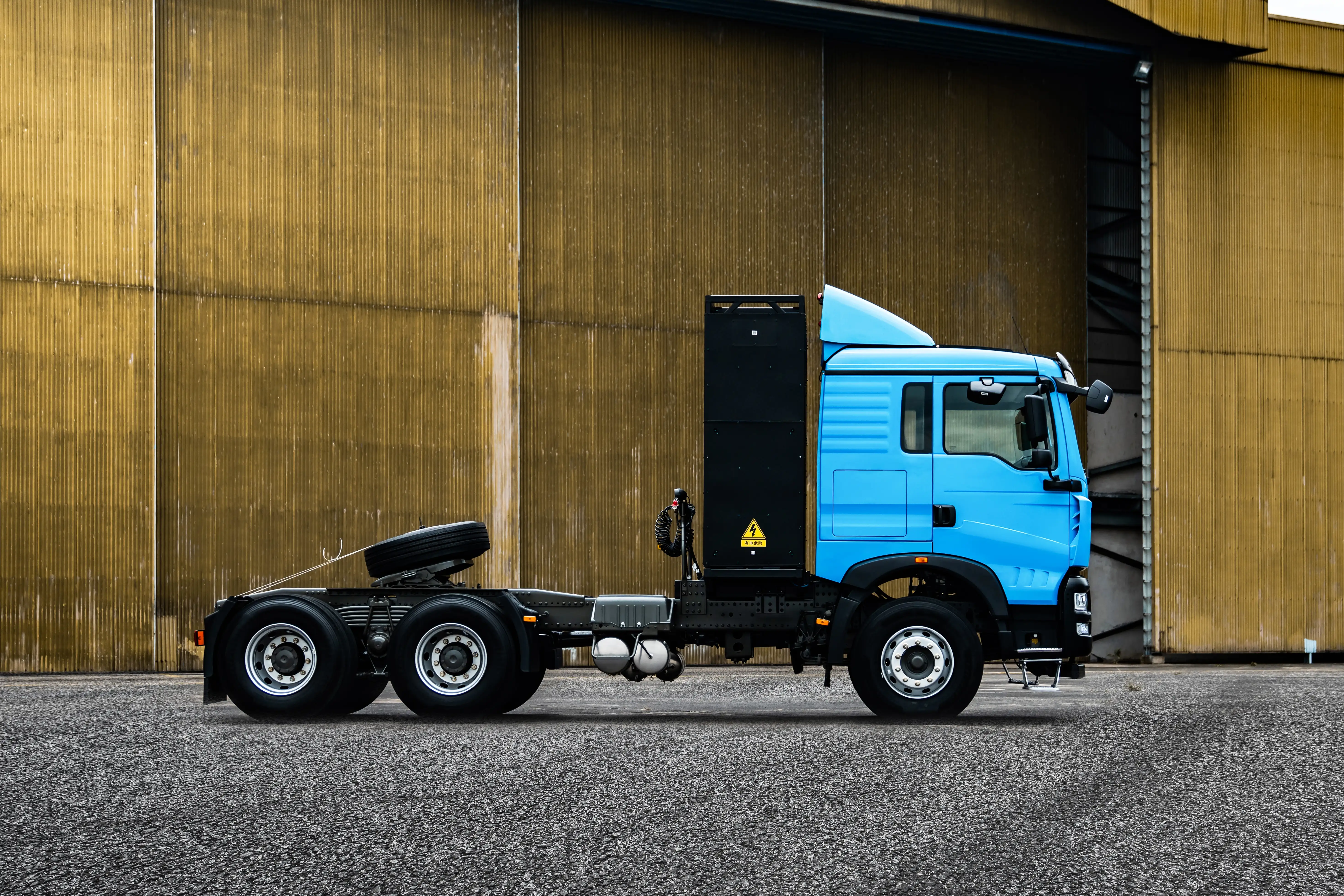
Once you've mastered the basics, these professional techniques will elevate your driving skills:
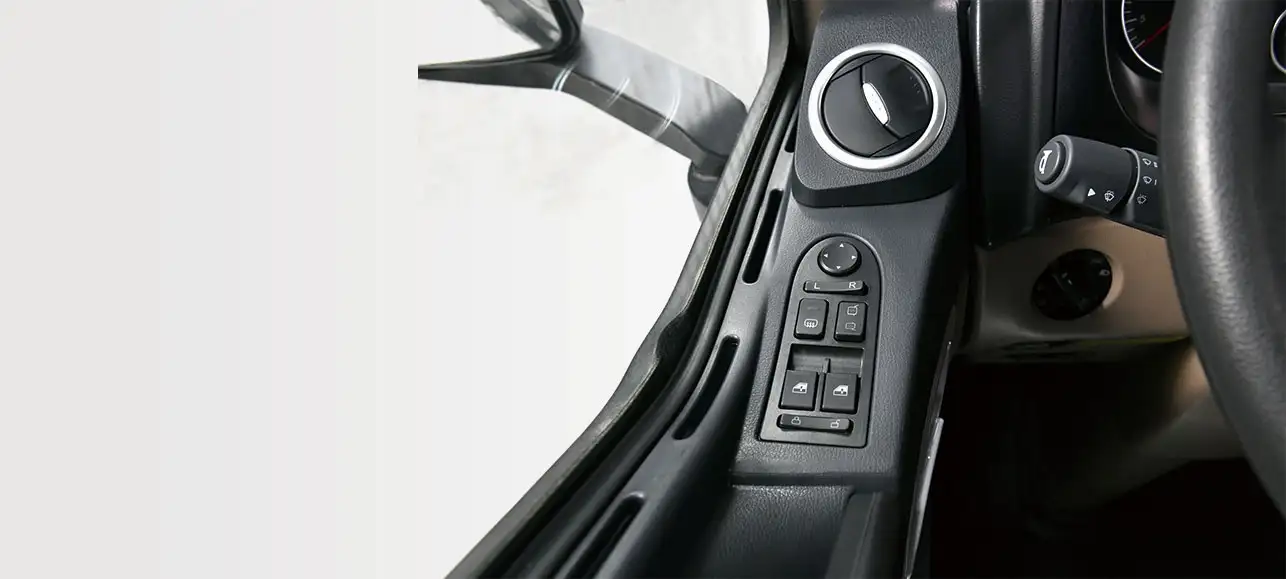
Remember that every HOWO truck has its own personality. Spend time learning your specific vehicle's clutch engagement point, gear positions, and power band characteristics.
Even experienced drivers can develop bad habits. Watch out for these common errors:
These practices not only reduce your efficiency but can cause significant mechanical damage over time.
Learning how to drive a manual transmission truck might seem daunting at first, but it's an incredibly rewarding skill that offers greater connection to your vehicle and better understanding of truck mechanics. While automatic transmissions continue to improve and gain popularity, the manual gearbox remains a viable and often preferable option for many HOWO truck operators.
Whether you choose a HOWO truck manual transmission or opt for the convenience of an automatic, understanding both systems makes you a more knowledgeable and versatile driver. The key is practice – spend time in a safe environment developing muscle memory for clutch control and gear changes. With patience and persistence, you'll soon be shifting through the gears of your HOWO truck with confidence and precision.
Remember that the question isn't just "does anyone make a manual transmission truck," but rather "which transmission type best serves my specific operational needs?" For many, the answer remains the reliable, controllable manual transmission that has powered the trucking industry for generations.
Discover the diverse industries and sectors where SINOTRUK heavy-duty trucks deliver exceptional performance and reliability
Comprehensive support solutions for SINOTRUK customers worldwide
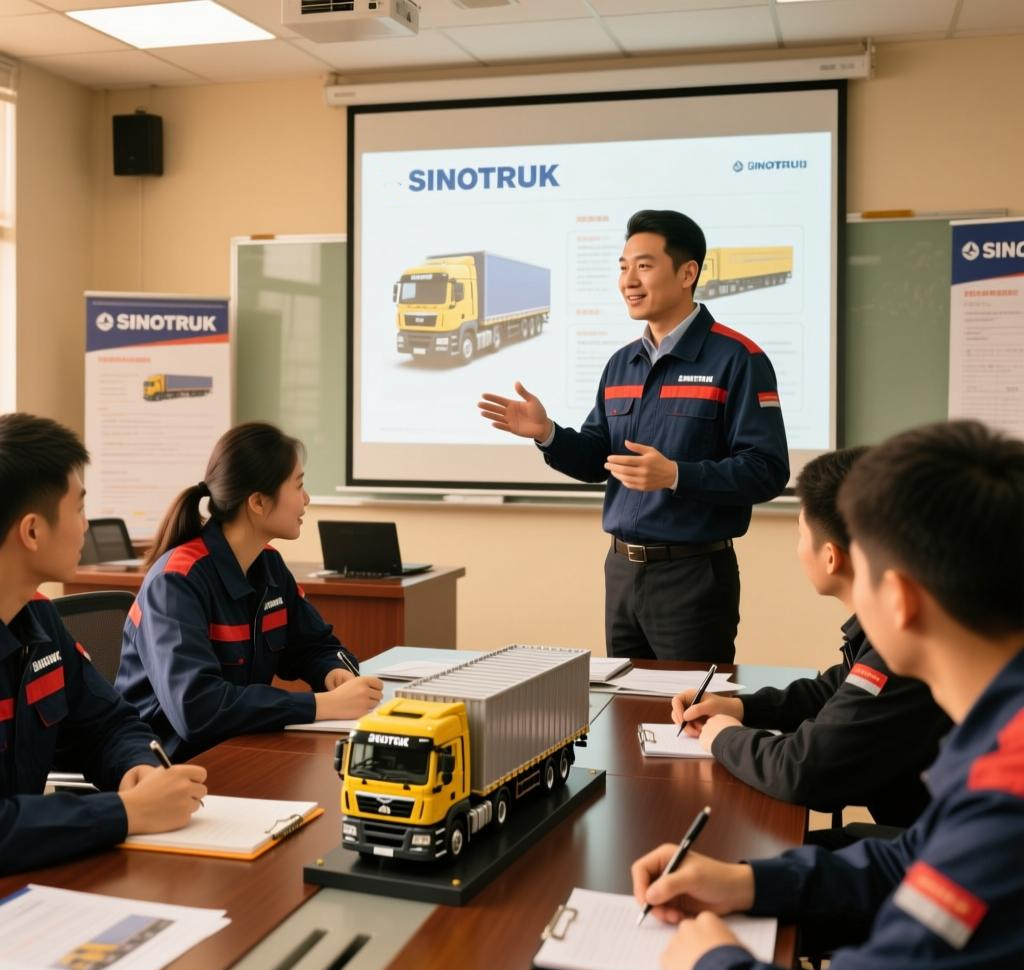
24/7 expert technical assistance for all SINOTRUK vehicles and equipment.
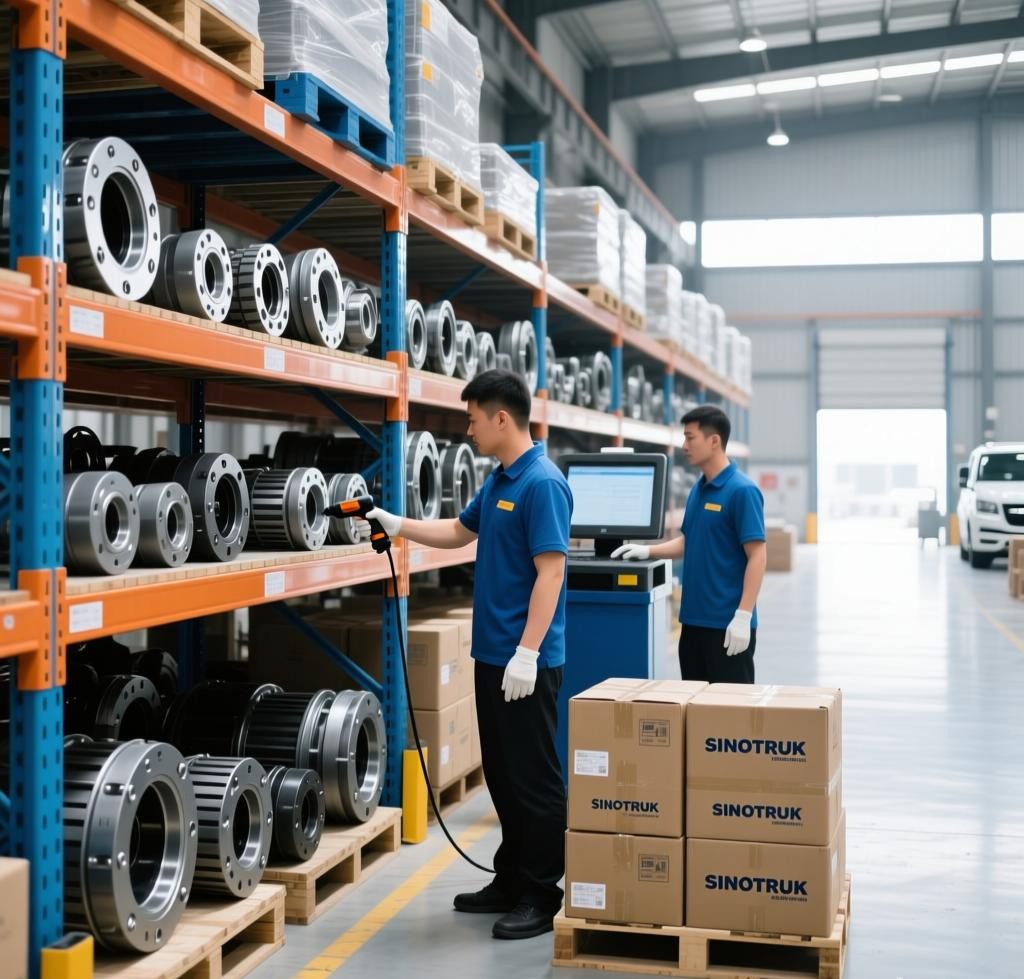
Genuine SINOTRUK parts with global availability and fast delivery.
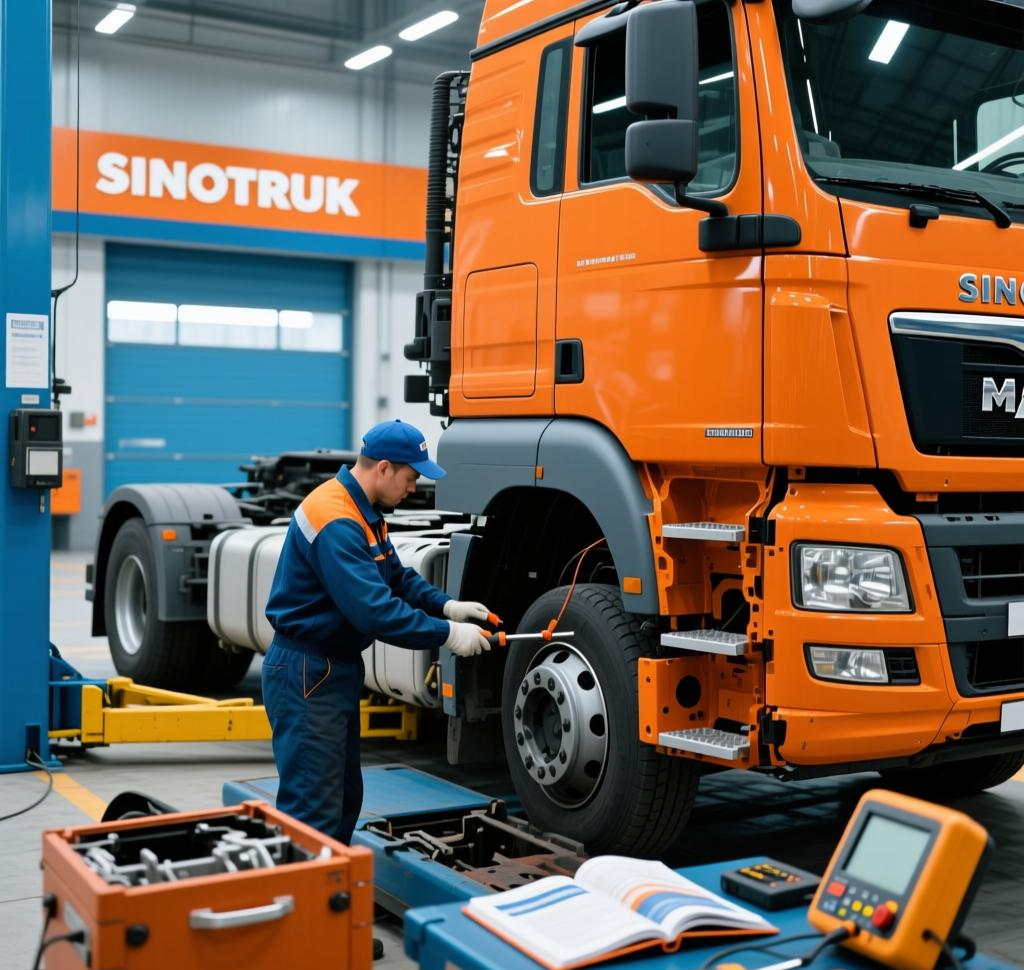
Professional maintenance programs to maximize vehicle lifespan and performance.

Technical training for operators, mechanics, and service technicians.
Find answers to common questions about SINOTRUK products and services
SINOTRUK offers a comprehensive warranty package:
SINOTRUK has a global network of parts distributors:
Recommended maintenance intervals:
Specific schedules vary by model and operating conditions.
SINOTRUK is committed to sustainable operations:
SINOTRUK offers flexible financing solutions:
Contact us for the latest product information and professional consultation, our sales team will provide you with the most suitable solution