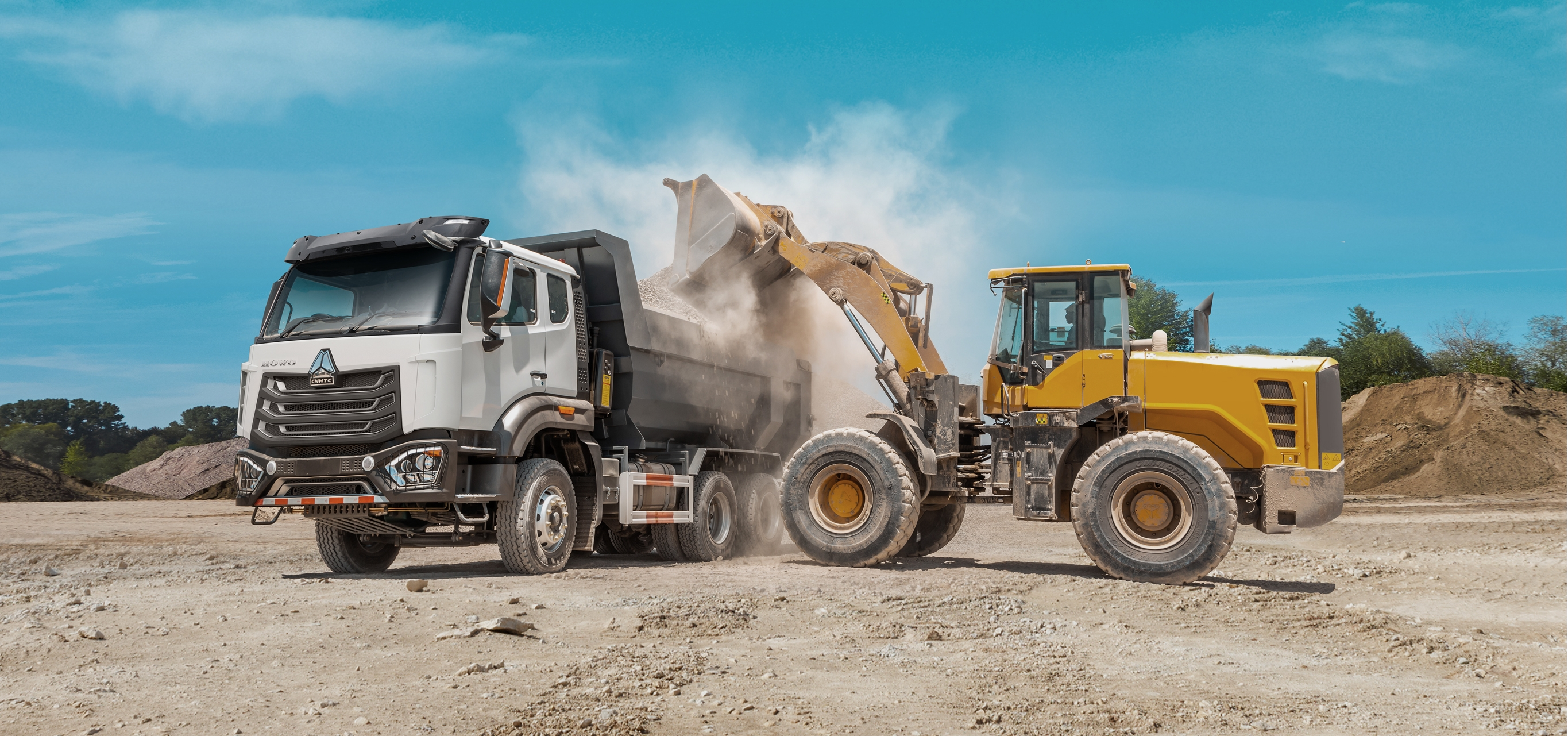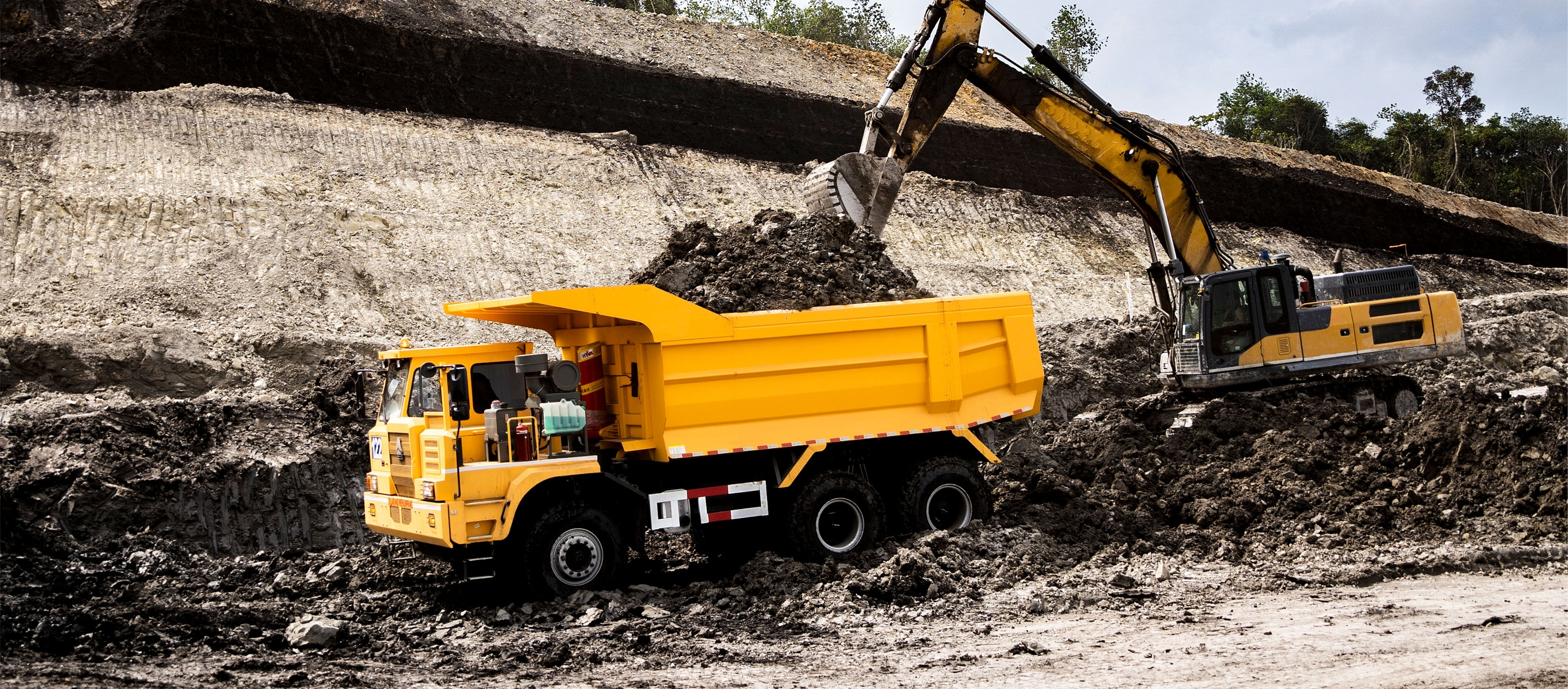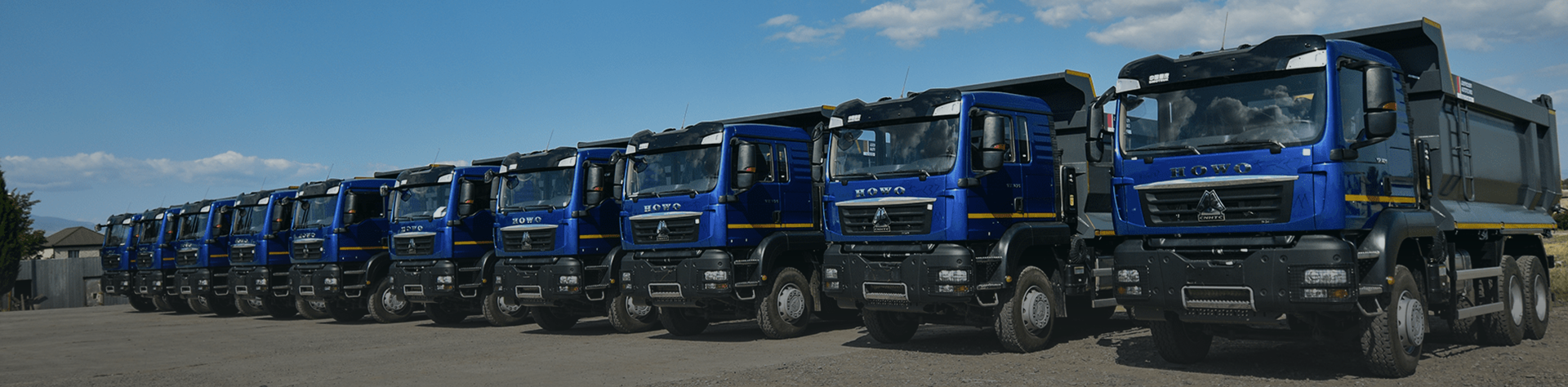
When it comes to heavy-duty dump trucks, the chassis design plays a crucial role in determining performance, durability, and load capacity. Howo dump trucks feature two primary frame configurations: the double beam and double I-beam designs. The Howo dump truck double beam configuration utilizes two parallel C-channel beams running the length of the chassis, providing exceptional torsional flexibility and weight distribution. This design excels in off-road conditions where the frame needs to twist and flex over uneven terrain without compromising structural integrity.
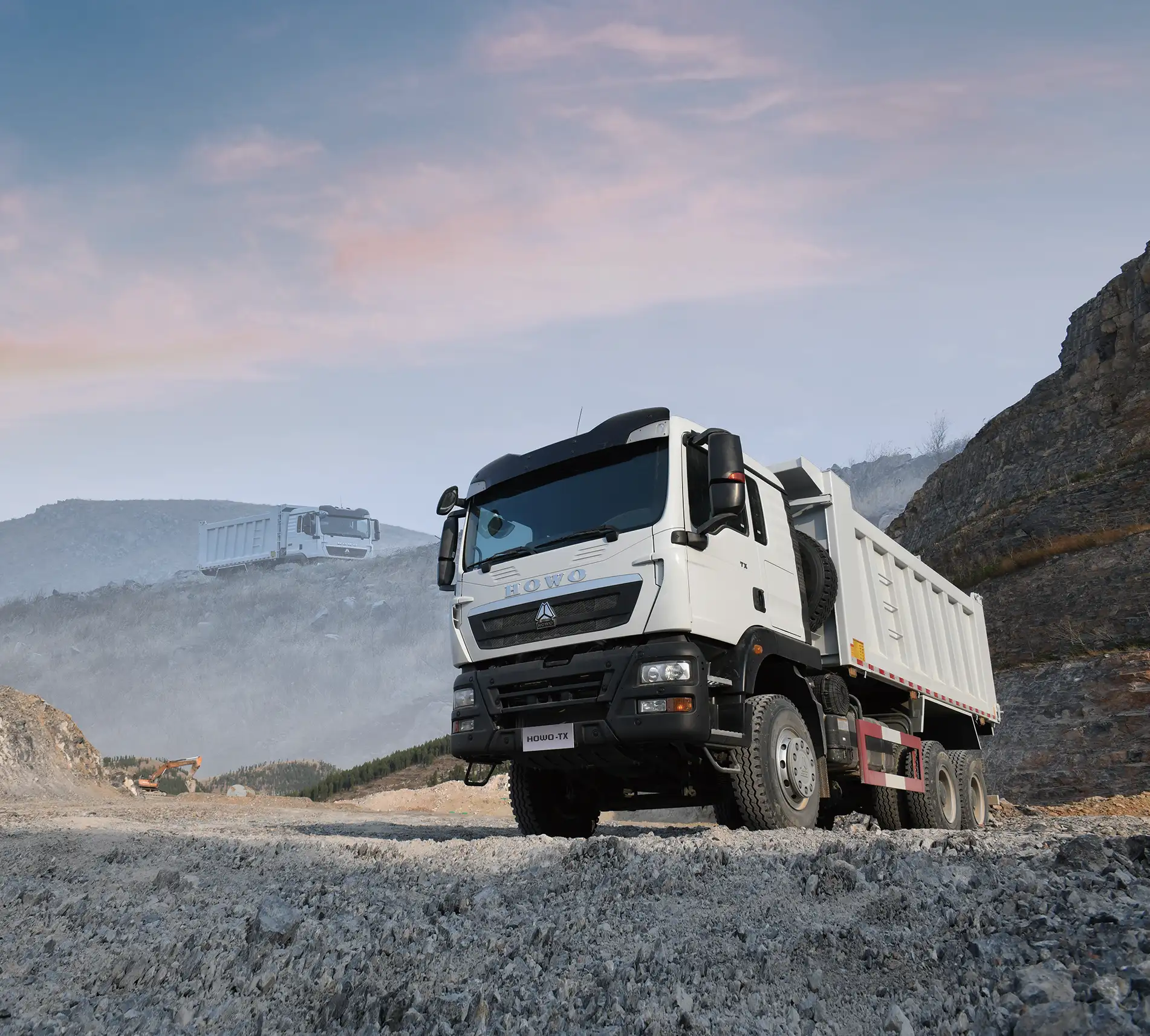
In contrast, the Howo dump truck double I-beam construction employs two I-shaped beams that offer superior vertical load-bearing capacity. The I-beam design provides increased stiffness and resistance to bending under extreme loads, making it ideal for applications requiring maximum payload capacity on more predictable surfaces. The web-and-flange structure of the I-beam distributes stress more efficiently, reducing the risk of metal fatigue over time.
Operators should consider their specific working conditions when choosing between these frame designs. Double beam configurations typically offer better maneuverability and comfort on rough construction sites, while double I-beam designs provide enhanced stability for high-volume hauling on developed roads. The choice ultimately depends on whether priority lies with durability under torsional stress or maximum payload capacity.
Understanding the difference between a double and B double trucks is essential for fleet managers and operators. Double trucks, also known as tandem axle trucks, feature two axles grouped together at the rear, typically with four tires on each axle. This configuration provides improved weight distribution and traction compared to single-axle designs, making doubles ideal for heavy hauling applications where maximum legal weight capacity is required.
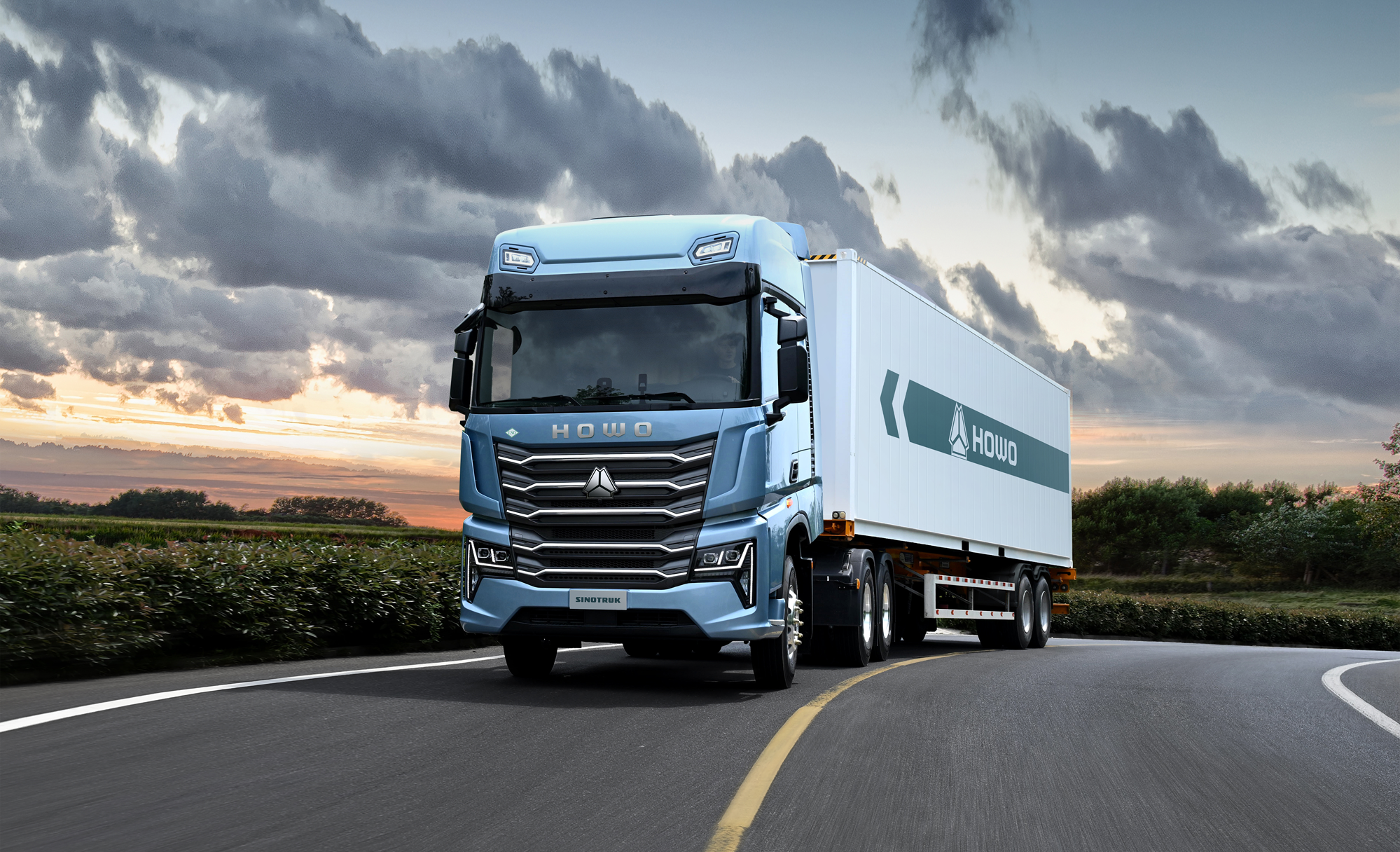
B-double trucks represent a more complex configuration consisting of a prime mover towing two semi-trailers connected by a fifth wheel coupling. This setup offers significantly increased cargo capacity without substantially increasing the vehicle's length. The key distinction lies in the articulation points: where a standard double has just one articulation point between tractor and trailer, a B-double has two articulation points—between the tractor and first trailer, and between the first and second trailers.
The regulatory differences between these configurations vary by jurisdiction. B-doubles typically require special permits, additional driver certifications, and are restricted to designated routes. From an operational perspective, doubles are generally easier to maneuver and suitable for a wider range of job sites, while B-doubles excel in high-volume transport between major facilities with appropriate infrastructure.
| Feature | Double Truck | B-Double Truck |
|---|---|---|
| Total Length | Approximately 15-18 meters | Approximately 25-26 meters |
| Payload Capacity | Up to 40 tons | Up to 60 tons |
| Articulation Points | 1 | 2 |
| Maneuverability | Moderate | Complex |
| Route Restrictions | Minimal | Significant |
Learning how to reverse B double truck requires specialized skills that even experienced drivers find challenging. The multiple articulation points create a "crack-the-whip" effect that amplifies steering inputs, making the trailers respond more dramatically than with single-trailer configurations. The key to successful reversing lies in understanding that each trailer moves in the opposite direction to the one before it.
Begin by positioning the vehicle straight before starting the maneuver. Use small steering inputs and constantly monitor all mirrors. When reversing, turn the steering wheel in the direction you want the first trailer to go. As the first trailer begins to turn, counter-steer to control the second trailer's movement. This requires constant correction and anticipation of how each component will react.
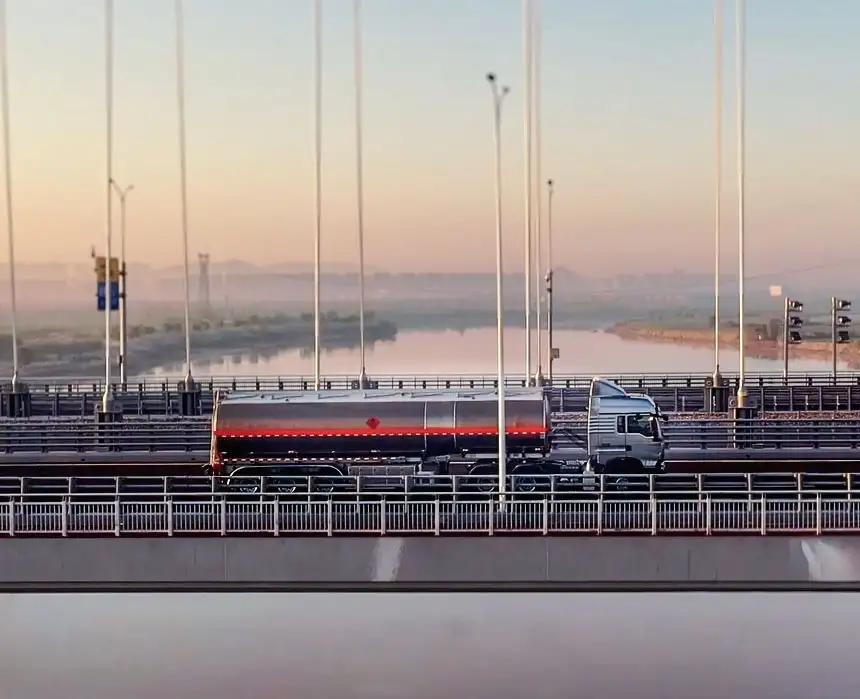
Professional drivers recommend practicing in open areas without obstacles before attempting confined spaces. Many develop the "pull-up" habit—moving forward to straighten the configuration when the angle becomes too severe. This isn't cheating; it's smart driving. Remember that B-doubles have a much larger blind spots, so use ground spotters when available and always verify clearance.
Never attempt to reverse a B-double without proper training. The most common mistakes include overcorrecting, failing to account for the delayed response between trailers, and not understanding the jackknife risk. Always conduct a thorough walk-around inspection before reversing, paying special attention to the dolly connection between trailers. In many cases, it's safer to disconnect and reposition trailers individually rather than risk an accident.
Selecting between double and B-double configurations depends on numerous factors including typical payloads, route constraints, and available infrastructure. Howo dump trucks with double beam construction generally suit operations with frequent off-road requirements, while double I-beam models better serve operations focused on maximum road-based payload. Similarly, standard doubles offer flexibility for diverse job sites, while B-doubles provide efficiency for high-volume transport between fixed facilities.
Consider your drivers' skill levels—B-doubles require significantly more training and experience to operate safely, particularly when reversing. Also factor in maintenance requirements; more complex configurations mean more components that can fail. However, the increased efficiency of B-doubles often justifies the additional training and maintenance costs for high-volume operations.
The construction industry continues to demand more efficient and capable hauling solutions. Understanding the difference between Howo dump truck double beam and double I-beam constructions, along with comprehending the distinction between double and B-double configurations, enables operators to make informed decisions that maximize productivity and safety. Whether you prioritize off-road durability with double beam construction or require the massive capacity of B-double configurations, proper training and equipment selection remain paramount to successful operations.
Remember that no single solution fits all applications. The most successful fleets match specific truck configurations to specific tasks, ensuring optimal performance while maintaining safety standards. As technology advances, Howo continues to refine both their chassis designs and vehicle configurations, providing operators with increasingly efficient tools for moving earth and materials.
Discover the diverse industries and sectors where SINOTRUK heavy-duty trucks deliver exceptional performance and reliability
Comprehensive support solutions for SINOTRUK customers worldwide
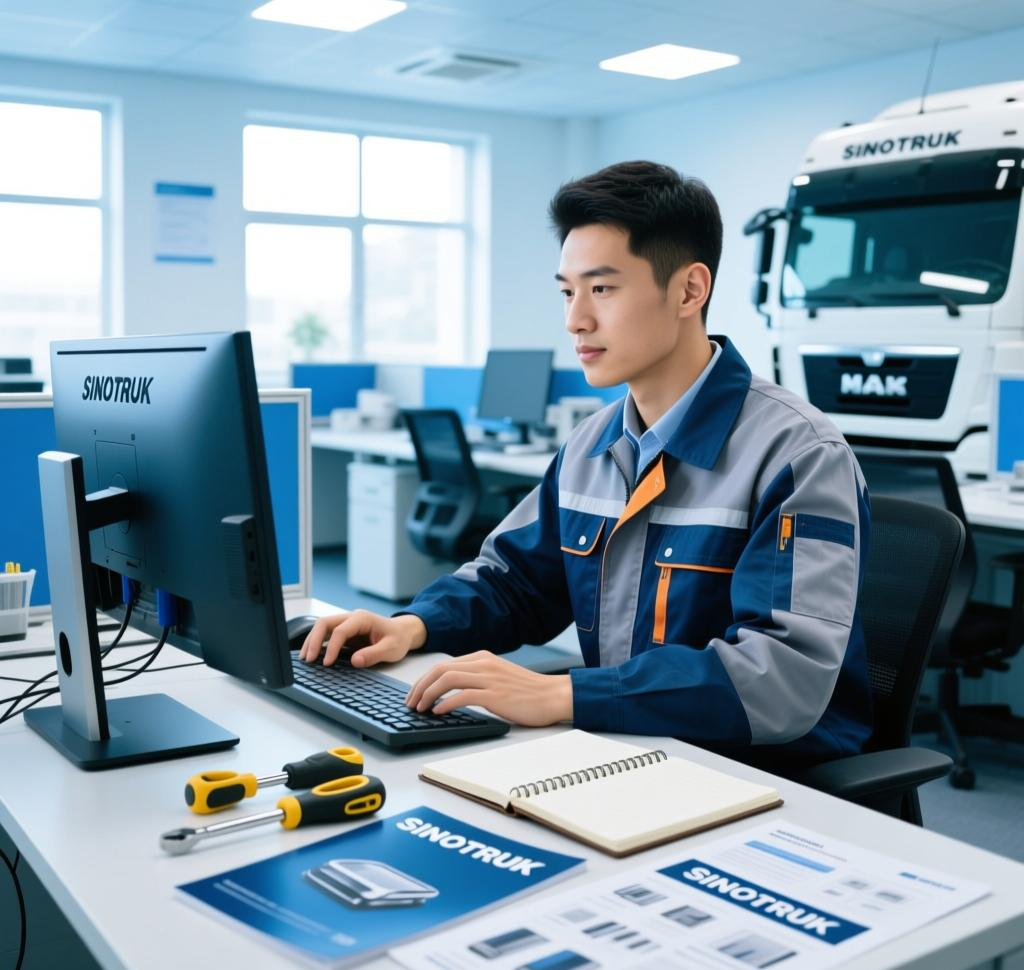
24/7 expert technical assistance for all SINOTRUK vehicles and equipment.
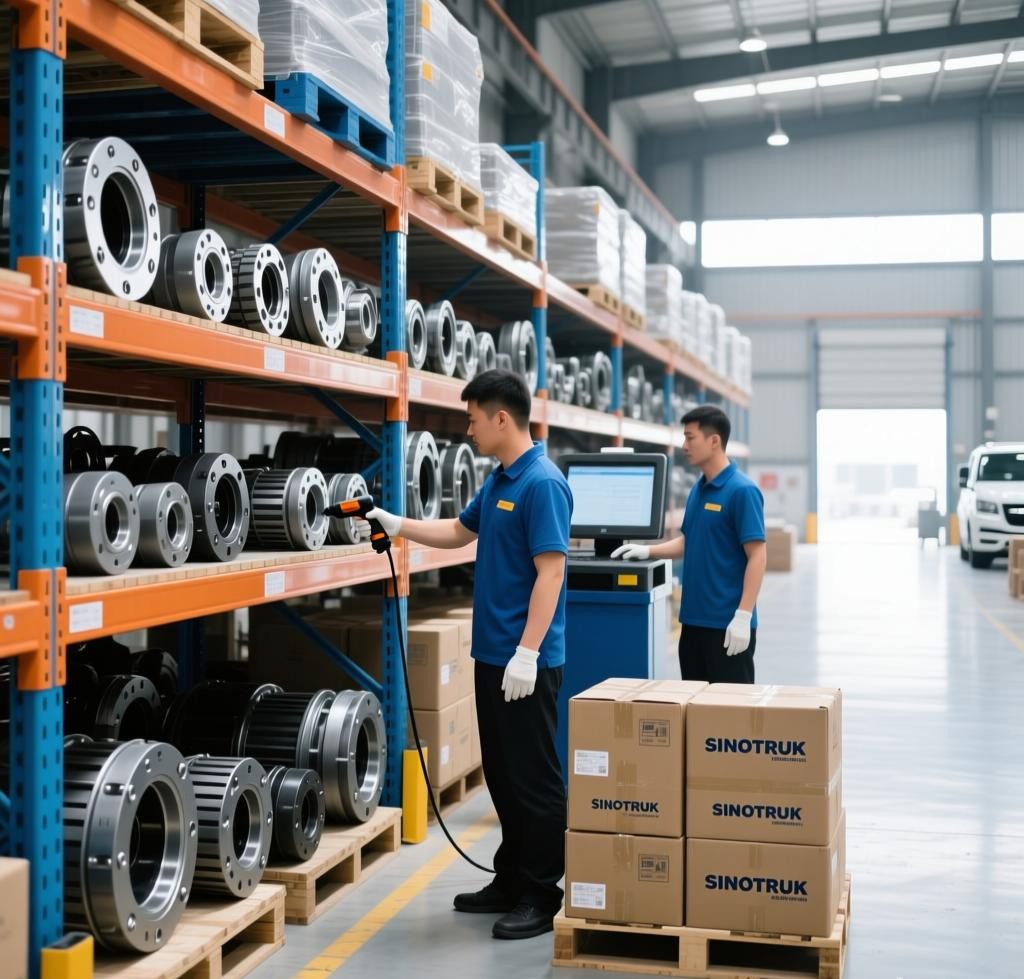
Genuine SINOTRUK parts with global availability and fast delivery.
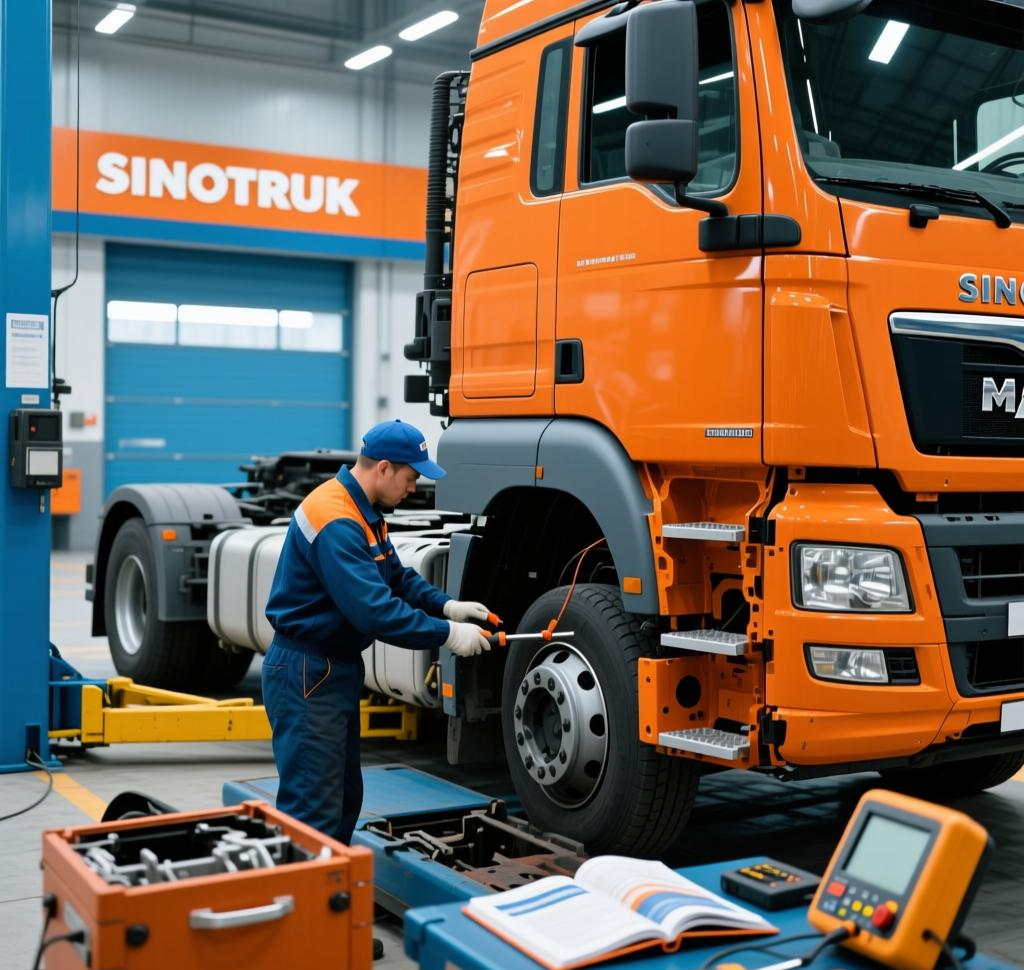
Professional maintenance programs to maximize vehicle lifespan and performance.
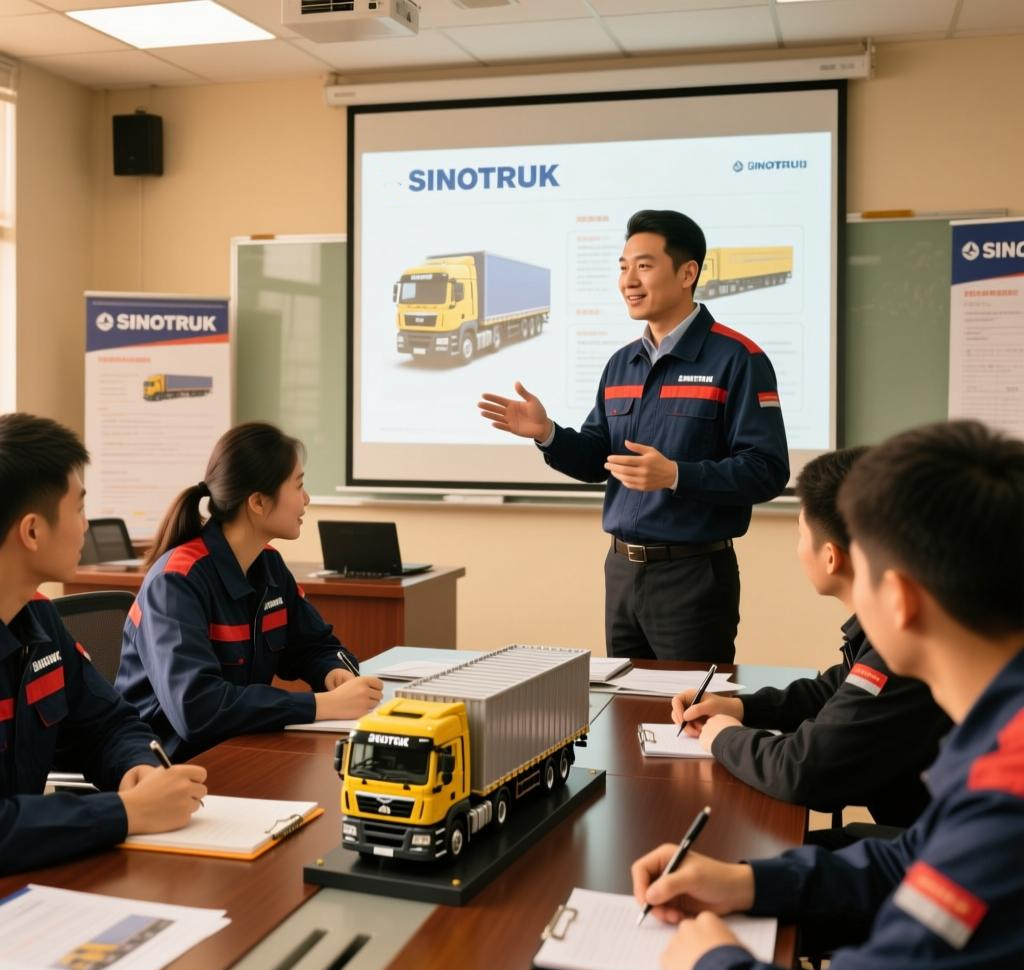
Technical training for operators, mechanics, and service technicians.
Find answers to common questions about SINOTRUK products and services
SINOTRUK offers a comprehensive warranty package:
SINOTRUK has a global network of parts distributors:
Recommended maintenance intervals:
Specific schedules vary by model and operating conditions.
SINOTRUK is committed to sustainable operations:
SINOTRUK offers flexible financing solutions:
Contact us for the latest product information and professional consultation, our sales team will provide you with the most suitable solution