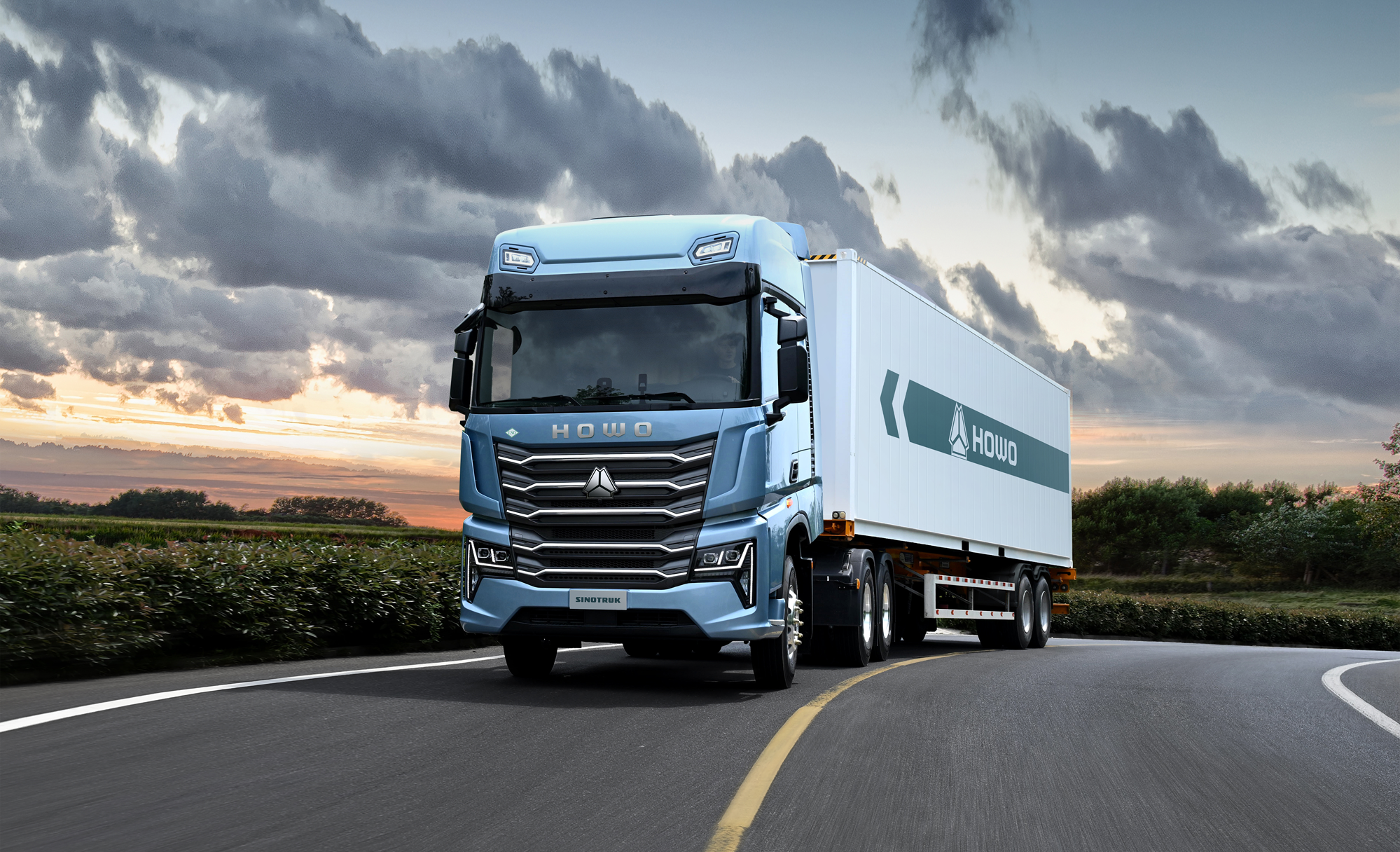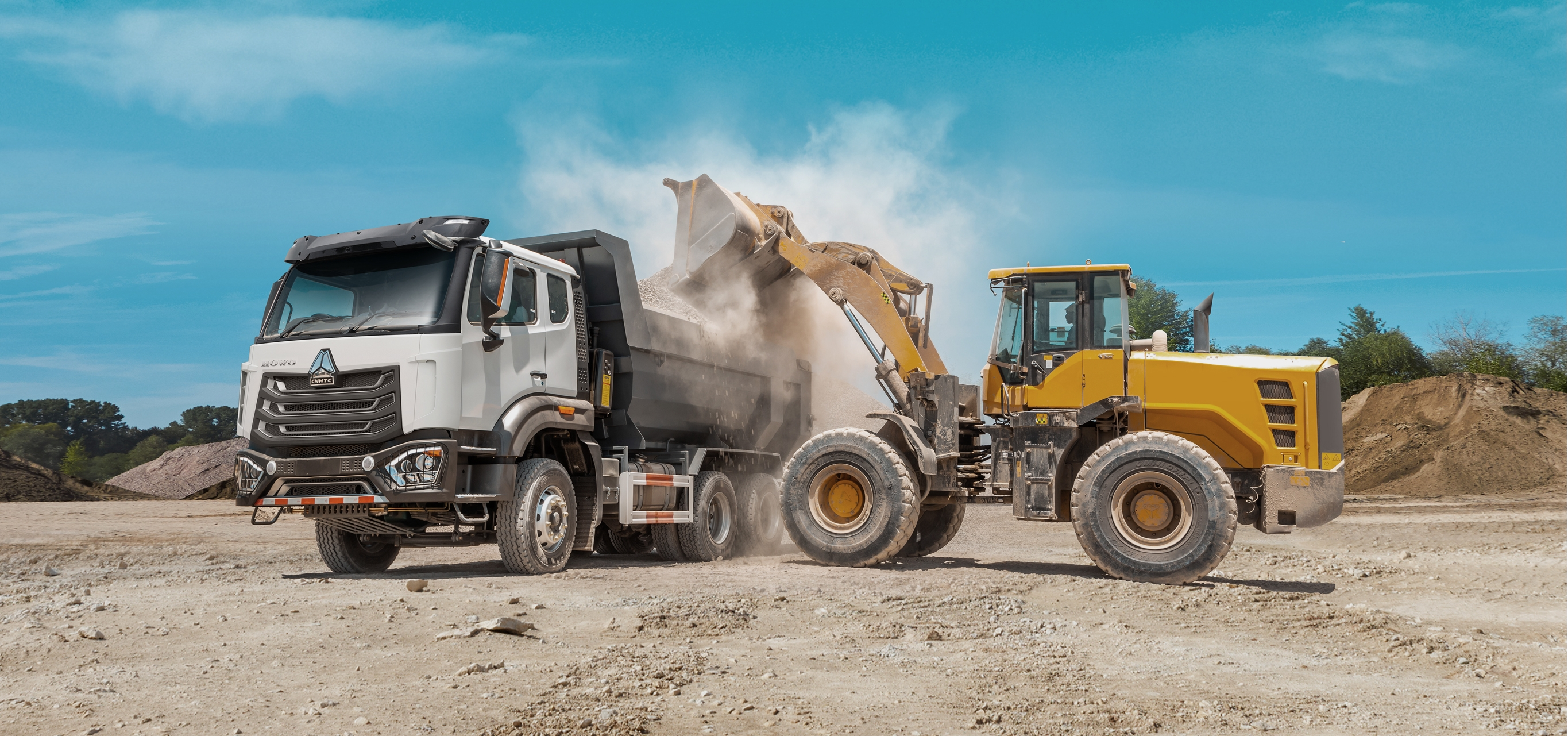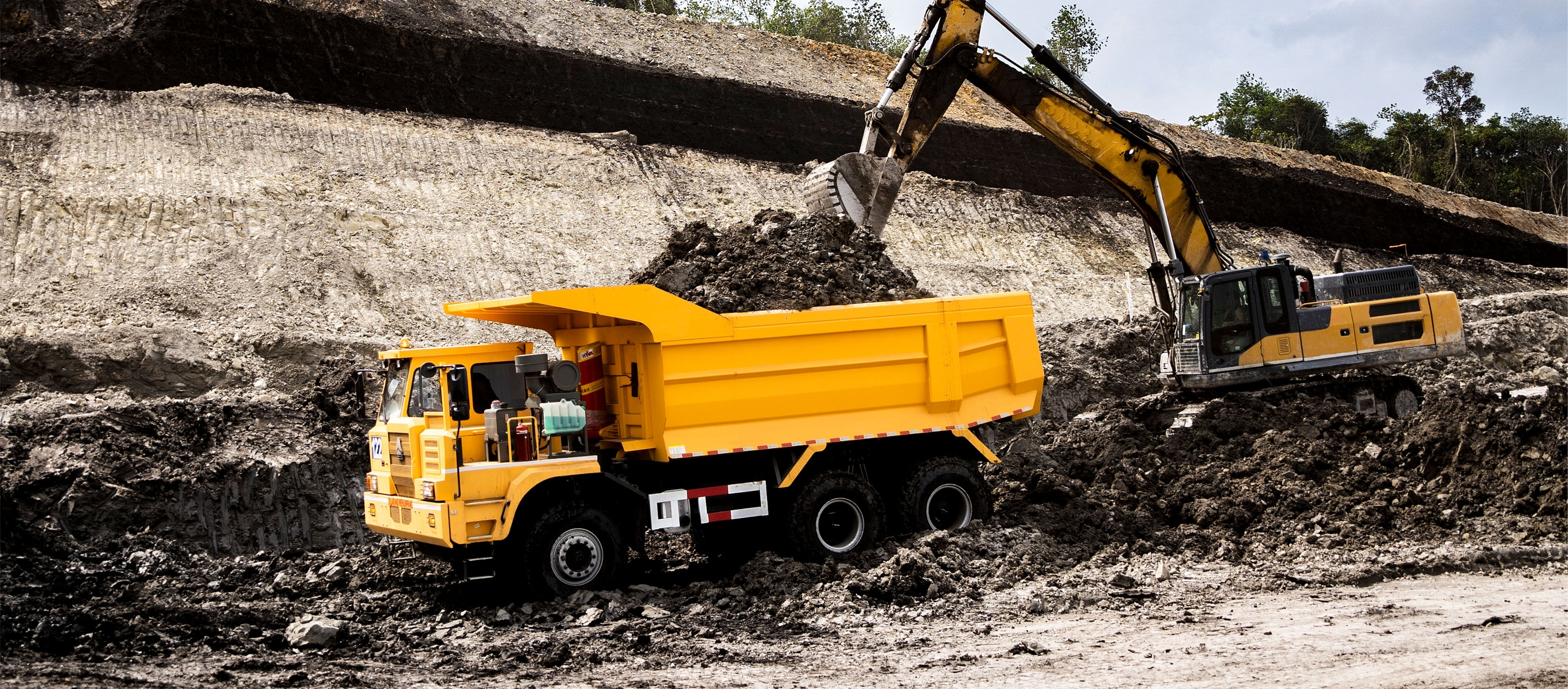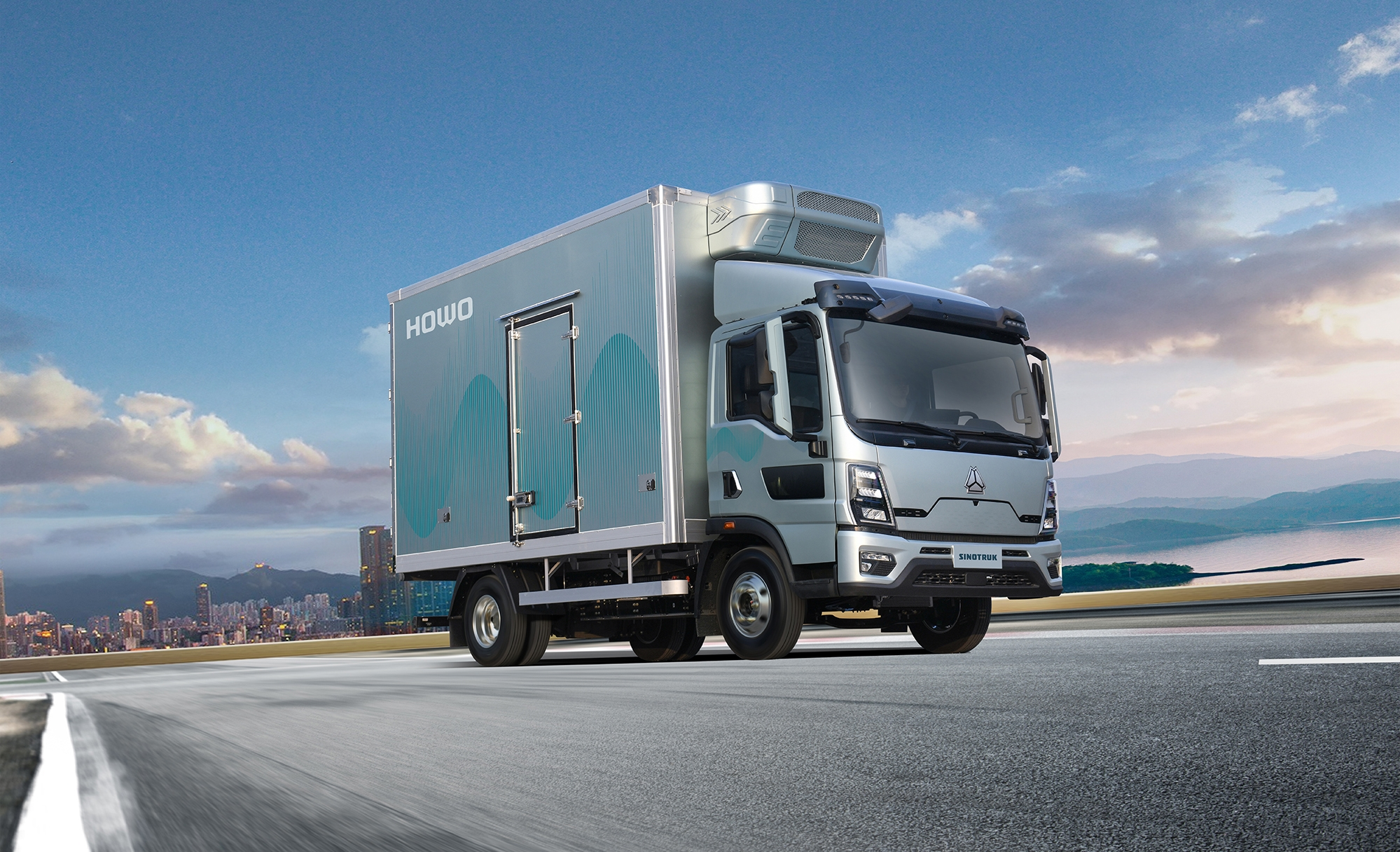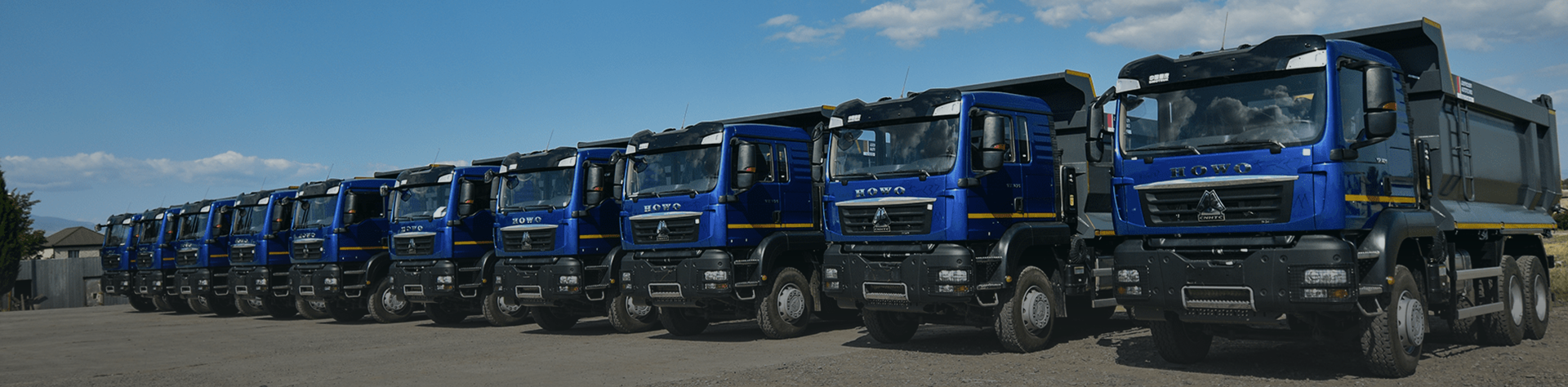
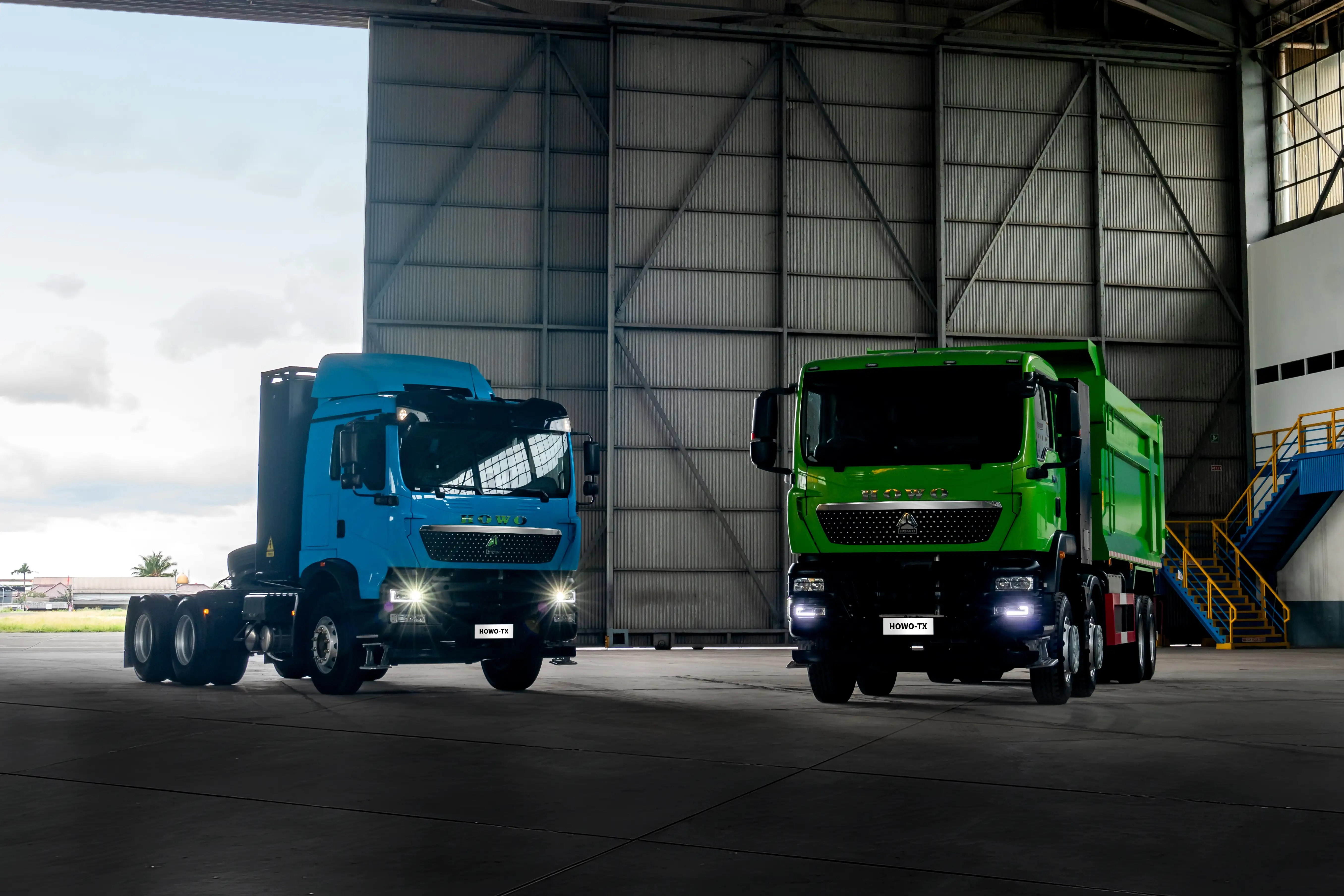
Operating a HOWO dump truck requires more than just basic driving skills—it demands a thorough understanding of the vehicle's specifications, transmission system, and unique features like the shirt gear. Whether you're navigating construction sites, mining operations, or road projects, knowing how to efficiently handle your HOWO dump truck can significantly impact productivity and safety. This comprehensive guide covers everything from HOWO dump truck dimensions to proper gear shifting techniques, including the often-misunderstood shirt gear function that many operators find challenging.
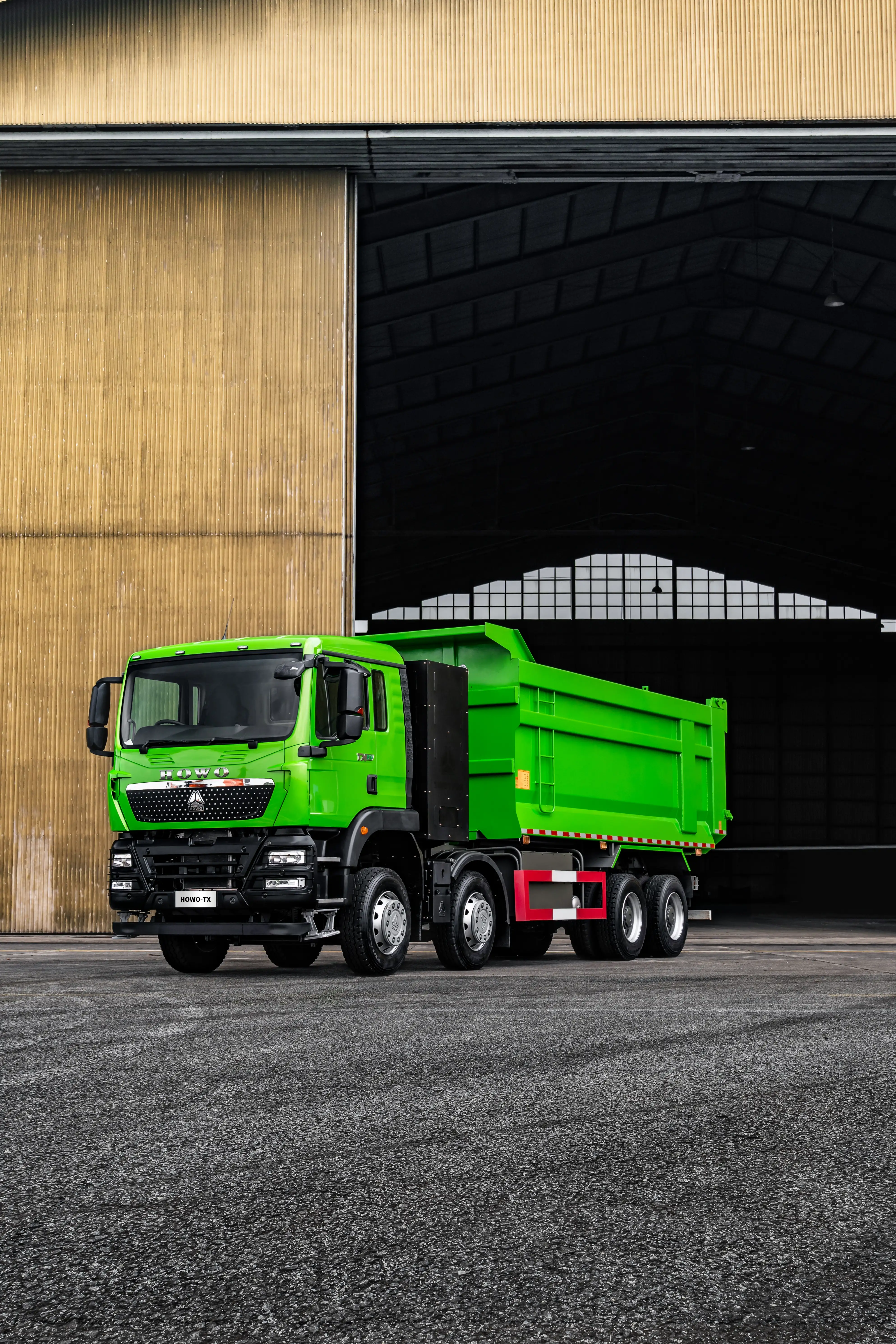
HOWO dump trucks come in various sizes to accommodate different hauling needs. The most common configurations include 6x4 and 8x4 chassis with dump bodies ranging from 20 to 40 cubic yards capacity. The standard HOWO 336 HP dump truck typically measures approximately 7.2 meters in length, 2.5 meters in width, and 3.5 meters in height, though dimensions vary based on specific models and customizations. The HOWO 371 HP model features a larger frame and increased payload capacity, often used for heavy-duty mining operations. Understanding your truck's exact dimensions is crucial for navigating worksites safely and complying with local transportation regulations.
When selecting a HOWO dump truck, consider both the physical size and the volumetric capacity. The truck's gross vehicle weight (GVW) typically ranges from 25 to 40 tons, with payload capacities between 15 and 30 tons depending on the configuration. The dump body size directly affects loading efficiency—larger bodies require fewer trips but may be restricted by weight limits or site accessibility. Always verify your specific HOWO dump truck size specifications from the manufacturer's plate rather than relying on general measurements, as customizations can significantly alter dimensions.
The HOWO dump truck gear shift pattern follows a conventional H-pattern but with additional ranges that often confuse new operators. Most models feature a 9 or 10-speed transmission with high and low ranges, sometimes referred to as "splitters." The basic pattern consists of low, medium, and high ranges with gears 1-4 in each range. The shift pattern typically requires you to start in low range, progress through the gears, then switch to medium and high ranges using the range selector button or lever.
Here's a typical HOWO dump truck gear shift pattern breakdown:
Proper shifting technique involves matching engine RPM to road speed, using the clutch smoothly, and anticipating gear changes before you need them. Many experienced operators use a technique called "float shifting" where they shift without the clutch once the truck is moving, but this requires practice and should only be attempted after mastering basic shifting.

The term "shirt gear" in HOWO dump trucks refers to the auxiliary transmission or gear splitter that provides additional gear ratios between the main gears. This system effectively doubles the number of available gears, allowing for finer control over engine RPM and better performance under varying load conditions. The shirt gear typically has two positions: low and high, activated by a separate switch or button on the shift knob.
Operating the HOWO dump truck shirt gear requires coordination with the main transmission. Here's how it works:
For example, in gear 4 with shirt gear engaged, you might have 4L and 4H available before progressing to gear 5. This system is particularly valuable when hauling heavy loads up gradients or when precise speed control is needed during dumping operations. Mastering the HOWO dump truck shirt gear operation can reduce fuel consumption by up to 15% and significantly decrease transmission wear.
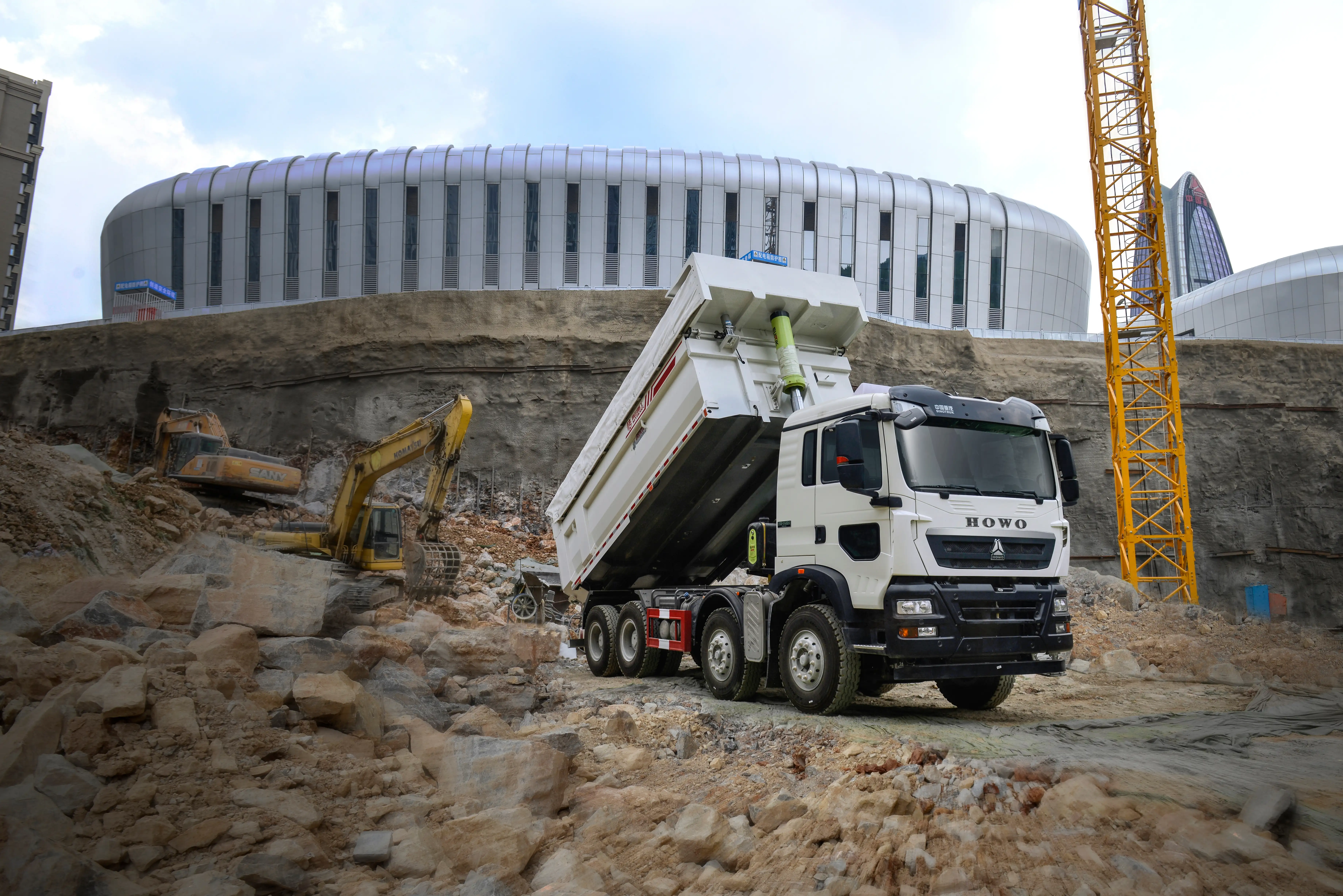
Driving a HOWO dump truck effectively combines technical knowledge with practical skills. Start with a thorough pre-operation inspection, checking tire pressure, hydraulic systems, and brake functionality. When loading, position the truck on level ground and ensure the parking brake is engaged. During transportation, maintain safe following distances—these heavy vehicles require significantly more stopping distance than passenger cars.
When approaching the dump site:
For optimal fuel efficiency, maintain steady RPM in the engine's sweet spot (usually 1,200-1,500 RPM for most HOWO models) and use progressive shifting techniques. Avoid "lugging" the engine (operating at too low RPM) or over-revving, both of which increase fuel consumption and engine wear. Regular maintenance of air filters, fuel systems, and transmission fluid is essential for keeping your HOWO dump truck operating at peak performance.
Seasoned operators develop techniques that maximize productivity and minimize wear. When operating in challenging conditions like muddy construction sites, use differential locks early before you get stuck. For downhill operations with heavy loads, use engine braking combined with service brakes rather than relying solely on brakes, which can overheat and fade. When backing up to dump, use a spotter whenever possible and go slowly—the blind spots on these trucks are significant.
Understanding your specific HOWO model's torque curve can help you optimize gear selection. Most HOWO dump trucks produce peak torque between 1,200-1,600 RPM. Shift up when you reach the upper end of this range, and downshift before falling below it. This practice maintains power when needed while preventing engine strain.
For operators frequently handling different load types, remember that gear selection should vary based on weight. Heavier loads require starting in lower gears and progressing more slowly through the gear range. Empty or lightly loaded trucks can skip gears (for example, shifting from 3rd to 5th) to accelerate more efficiently.
Operating a HOWO dump truck proficiently requires understanding the relationship between the truck's size capabilities, gear shift pattern, and specialized features like the shirt gear. By mastering these elements, operators can significantly improve efficiency, reduce operating costs, and enhance safety. Remember that each HOWO model may have slight variations in transmission design, so always consult your specific vehicle's manual for exact specifications. With practice and attention to the techniques outlined here, you'll be able to handle your HOWO dump truck with confidence in any working environment, maximizing both performance and productivity while minimizing wear and tear on your equipment.
Whether you're a new operator learning the basics or an experienced driver looking to refine your skills, continuous learning and adaptation to your specific HOWO dump truck's characteristics will yield the best results. The combination of technical knowledge and practical experience ultimately separates adequate operators from exceptional ones in the demanding world of dump truck operation.
Discover the diverse industries and sectors where SINOTRUK heavy-duty trucks deliver exceptional performance and reliability
Comprehensive support solutions for SINOTRUK customers worldwide
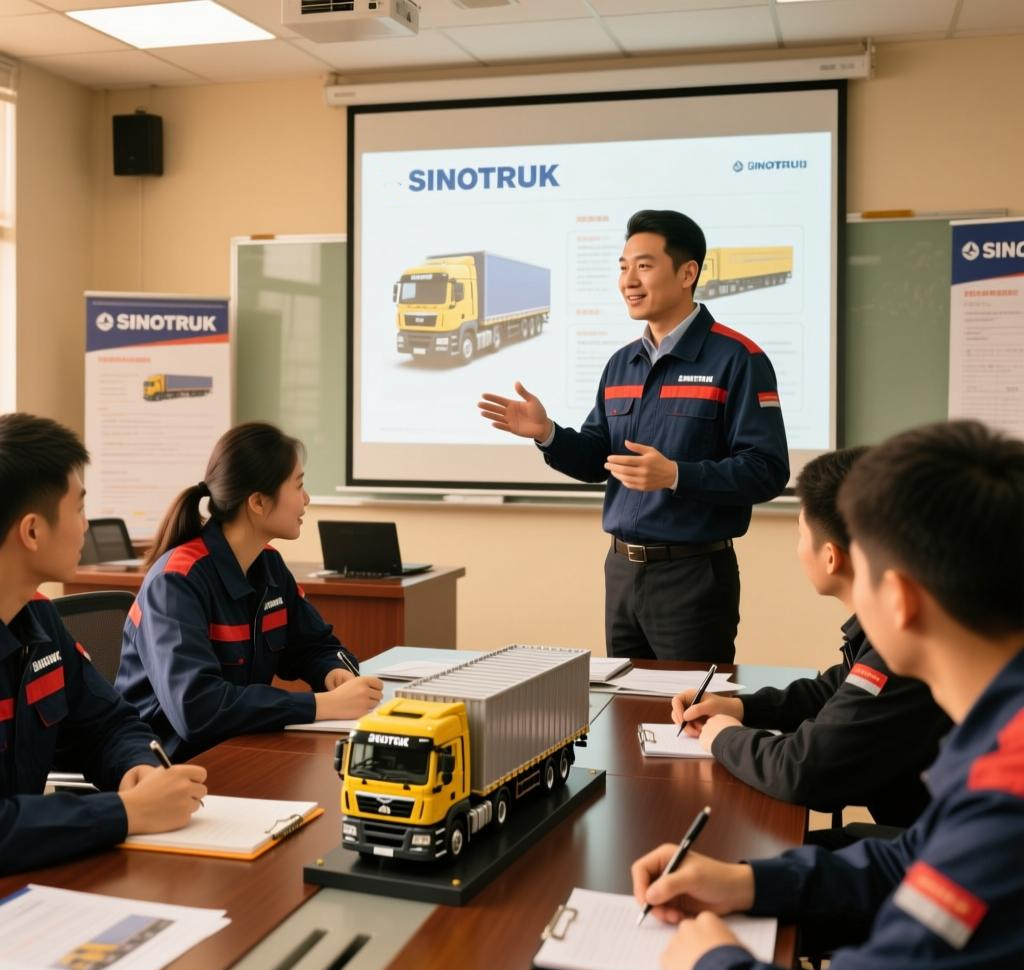
24/7 expert technical assistance for all SINOTRUK vehicles and equipment.
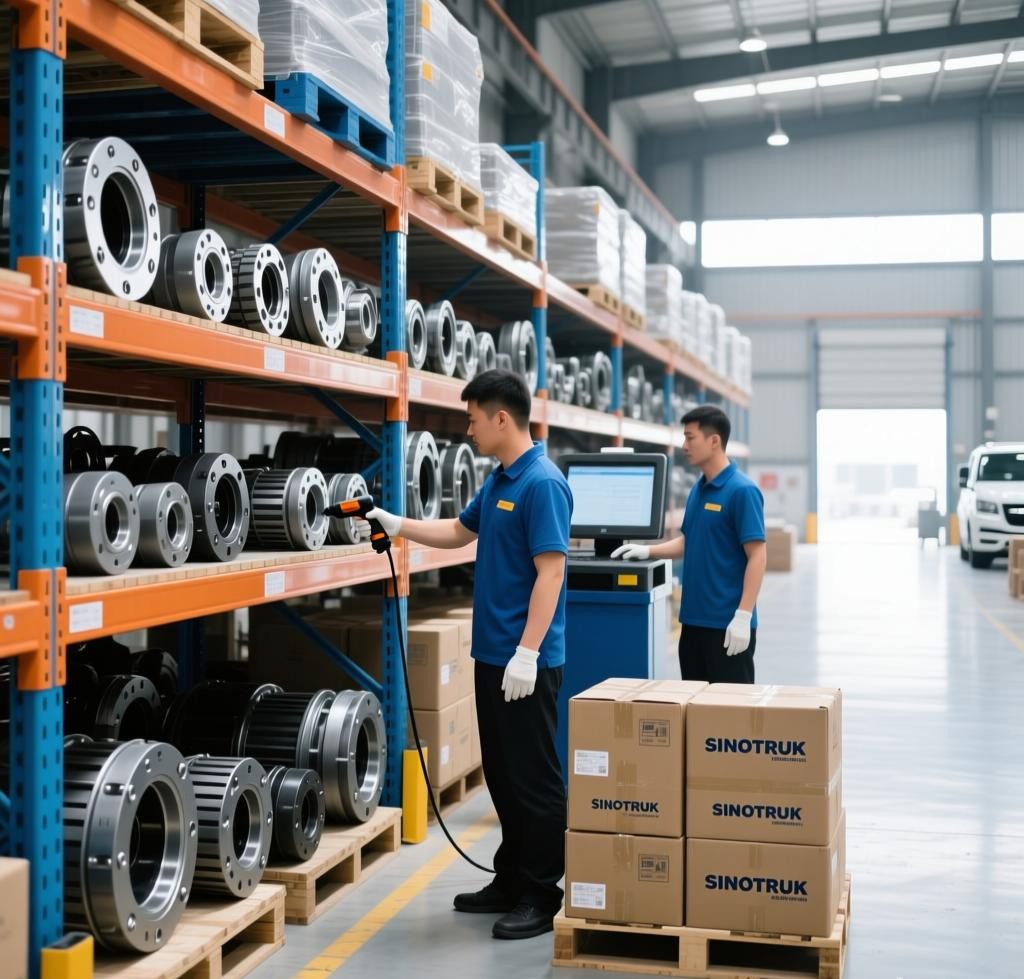
Genuine SINOTRUK parts with global availability and fast delivery.
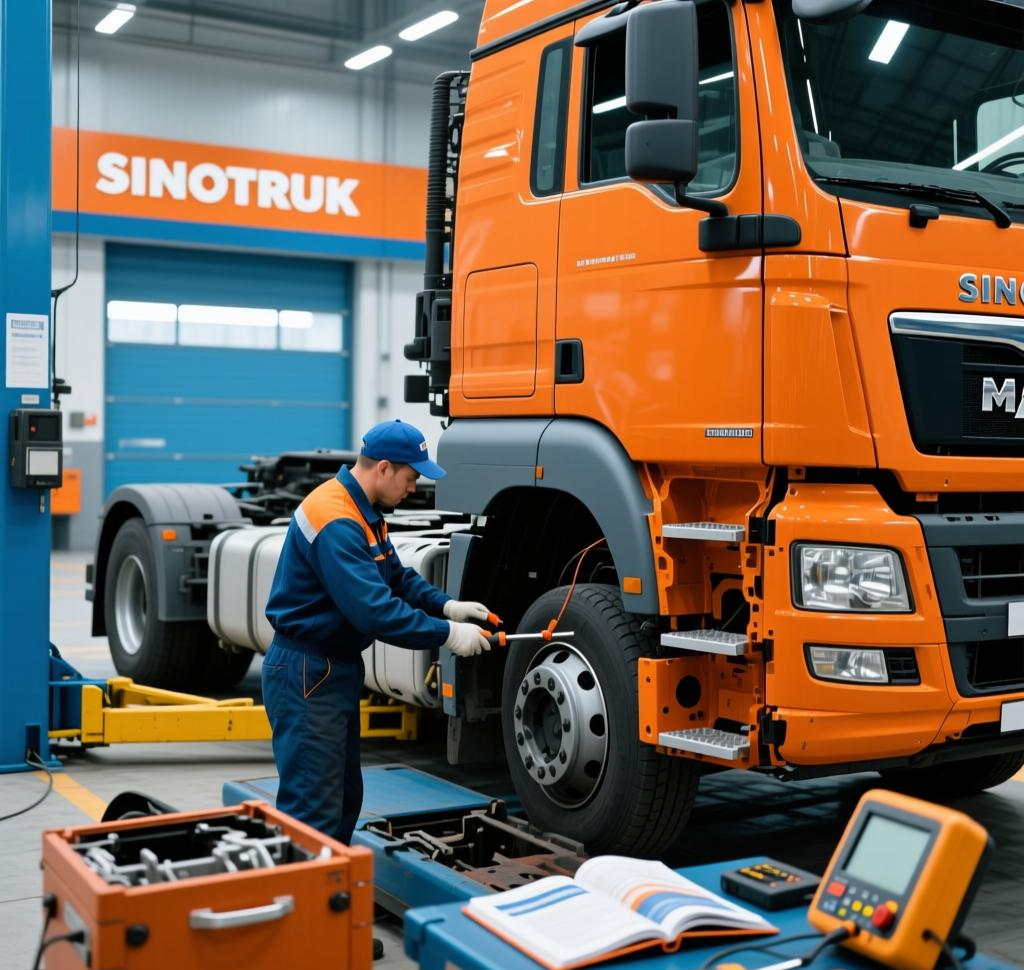
Professional maintenance programs to maximize vehicle lifespan and performance.

Technical training for operators, mechanics, and service technicians.
Find answers to common questions about SINOTRUK products and services
SINOTRUK offers a comprehensive warranty package:
SINOTRUK has a global network of parts distributors:
Recommended maintenance intervals:
Specific schedules vary by model and operating conditions.
SINOTRUK is committed to sustainable operations:
SINOTRUK offers flexible financing solutions:
Contact us for the latest product information and professional consultation, our sales team will provide you with the most suitable solution