If you own or maintain a fleet of HOWO trucks, you know that keeping these workhorses running smoothly is crucial for business operations. Modern HOWO trucks are sophisticated machines with complex electronic systems, making proper diagnostics more important than ever. The right approach to HOWO truck diagnostics can mean the difference between costly downtime and peak performance. In this comprehensive guide, we'll explore everything you need to know about using a dedicated HOWO truck diagnostic tool to maintain, troubleshoot, and optimize your vehicles.
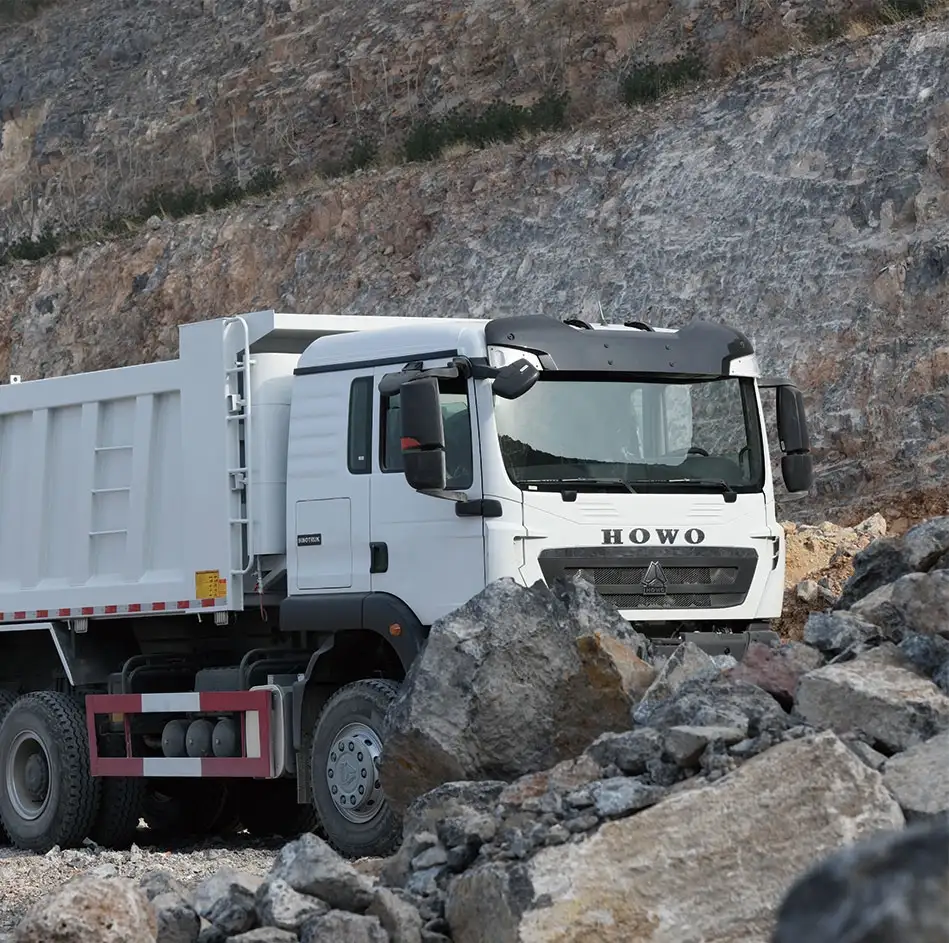
HOWO trucks, manufactured by Sinotruk, have become increasingly popular worldwide for their durability and performance. However, like any modern commercial vehicle, they rely on complex computer systems that control everything from engine performance to emissions controls. When something goes wrong, the onboard computer system generates error codes that can only be properly interpreted with specialized equipment. This is where investing in the right HOWO truck diagnostic tool becomes essential for any fleet manager, technician, or owner-operator.
Without proper diagnostic capabilities, you're essentially guessing at what might be wrong with your truck. This can lead to:
A dedicated HOWO truck diagnostic tool provides precise information about your vehicle's health, allowing for targeted repairs and maintenance.

The HOWO truck diagnostic tool is specifically designed to interface with the electronic control units (ECUs) in HOWO vehicles. These tools range from basic code readers to advanced diagnostic systems that offer comprehensive functionality. Most professional-grade tools connect to the truck's diagnostic port (typically located near the driver's seat) and communicate with the various systems throughout the vehicle.
Key capabilities of a quality HOWO truck diagnostic tool include:
When selecting a diagnostic tool for your HOWO truck, consider factors like compatibility with your specific model year, the systems it can access, update availability, and whether it supports the languages you need.
Performing effective diagnostics on your HOWO truck requires a systematic approach. Here's a professional step-by-step process:
First, connect your HOWO truck diagnostic tool to the vehicle's OBD port. For most HOWO models, this is located within easy reach of the driver's seat—typically beneath the dashboard on the driver's side. Once connected, turn the ignition to the "on" position without starting the engine to power up the diagnostic system.
Next, launch the diagnostic software on your device (whether it's a dedicated handheld unit, laptop, or tablet). Select the appropriate truck model and year to ensure accurate communication with the vehicle's systems. The tool will then establish communication with the various ECUs throughout the truck.
Begin by scanning for stored fault codes. These codes provide the starting point for your diagnostics. Don't immediately clear the codes—first document them along with any freeze frame data that captures the conditions when the fault occurred. This information is invaluable for accurate diagnosis.
After recording all fault codes, use your HOWO truck diagnostic tool to monitor live data streams. Pay particular attention to parameters related to any trouble codes found. For example, if you have an engine-related code, monitor fuel pressure, turbo boost, injection timing, and temperature readings while the engine is running.
Finally, after identifying and addressing the underlying issues, clear the fault codes and perform a test drive to verify the repair was successful. Use your diagnostic tool during the test drive to monitor systems in real-world operating conditions.
Through extensive experience with HOWO truck diagnostics, several common issues tend to appear across different models. Understanding these can help you diagnose problems more efficiently.
Engine performance issues are among the most frequent complaints. These often manifest as power loss, rough idling, or excessive smoke. Using your HOWO truck diagnostic tool, check for codes related to the fuel system, turbocharger, or aftertreatment system. Pay close attention to fuel pressure readings, mass airflow sensor data, and exhaust gas temperature readings.
Transmission problems represent another common category. HOWO trucks equipped with automated manual transmissions may develop shifting issues or clutch problems. Your diagnostic tool can access transmission-specific fault codes and provide valuable data on clutch wear, gear selection, and hydraulic pressure.
Electrical issues can be particularly challenging without proper diagnostic equipment. Modern HOWO trucks have sophisticated electrical systems controlling everything from lighting to advanced driver assistance systems. A quality HOWO truck diagnostic tool can help pinpoint communication errors between modules, voltage irregularities, and sensor failures that might otherwise require hours of manual testing.
Emissions-related problems have become increasingly important with stricter regulations worldwide. The selective catalytic reduction (SCR) system and diesel particulate filter (DPF) can develop issues that trigger warning lights and potentially derate engine power. Your diagnostic tool can access these systems specifically, allowing you to monitor DEF quality, DPF soot loading, and catalyst efficiency.
Beyond basic code reading, experienced technicians use advanced features of their HOWO truck diagnostic tool to solve complex problems. These techniques can significantly reduce diagnostic time and improve accuracy.
Active testing allows you to command specific components to operate while monitoring their response. For example, you can trigger individual fuel injectors to test their operation, command the EGR valve to open or close, or activate cooling fans. This hands-on approach helps determine whether a component has failed or if there's an issue with the control signal.
Parameter adjustment is another powerful feature of advanced diagnostic tools. Certain systems allow for calibration and coding adjustments. For instance, you might need to recalibrate the throttle position sensor after replacement or adjust idle speed parameters based on specific application requirements.
Data logging capabilities in professional-grade tools allow you to record system parameters over time, which is invaluable for diagnosing intermittent problems. You can set up triggers to start recording when certain parameters exceed specified limits, capturing data right when the problem occurs—even if it happens during road operation.
Comparing data from a known good vehicle can dramatically speed up diagnostics. If you have access to a properly functioning HOWO truck of the same model, use your diagnostic tool to capture normal operating parameters. You can then compare this baseline data to the problematic vehicle to quickly identify deviations.
With various options available on the market, choosing the right diagnostic equipment for your needs is crucial. Consider these factors when selecting a HOWO truck diagnostic tool:
Compatibility should be your first consideration. Ensure the tool supports your specific HOWO models and years. Some tools specialize in newer models, while others might better support older vehicles. Check whether the tool can access all the systems you need to work on, including engine, transmission, brakes, and aftertreatment systems.
Update policy is critical as truck technology evolves. Look for tools that offer regular software updates to support new models and address emerging issues. The best providers offer subscription services that ensure your tool remains current.
Functionality range varies significantly between tools. Basic code readers might suffice for simple troubleshooting, but professional repair facilities will need advanced capabilities like programming, coding, and adaptation functions. Consider your specific needs—both current and anticipated.
User interface and support shouldn't be overlooked. A tool with intuitive navigation and clear displays will make your diagnostic work more efficient. Additionally, good technical support from the manufacturer can be invaluable when you encounter unusual problems or need guidance on specific functions.
To get the most from your HOWO truck diagnostic tool, follow these professional best practices:
Always begin with a visual inspection before connecting your diagnostic equipment. Check for obvious issues like damaged wiring, loose connections, or fluid leaks. Many problems can be identified without ever plugging in a scanner.
Document everything throughout the diagnostic process. Take screenshots of fault codes, record live data values, and note your observations. This documentation creates a valuable history for each vehicle and helps pattern recurring issues.
Understand that diagnostic trouble codes indicate symptoms rather than necessarily identifying root causes. A code for a sensor reading out of range might mean a faulty sensor, but it could also indicate a problem with the system the sensor is monitoring or even wiring issues.

Regular preventive maintenance scanning can help catch problems before they lead to breakdowns. Use your HOWO truck diagnostic tool during routine service to check for pending codes or minor irregularities that might develop into larger issues.
Investing in and properly using a dedicated HOWO truck diagnostic tool is no longer optional for serious fleet operations and repair facilities. These powerful devices provide insights into your trucks' health that simply aren't available through other means. By following systematic diagnostic processes, understanding common failure patterns, and utilizing advanced tool features, you can significantly reduce downtime, repair costs, and operational disruptions.
The right approach to HOWO truck diagnostics empowers you to move from reactive repairs to predictive maintenance, addressing issues before they become critical. Whether you're an owner-operator maintaining a single truck or a fleet manager responsible for dozens of vehicles, mastering diagnostic techniques with the proper tool will deliver measurable returns through improved reliability, compliance, and total cost of operation.
Remember that technology continues to evolve, and so should your diagnostic capabilities. Stay current with software updates, continuously expand your knowledge of HOWO systems, and don't hesitate to leverage professional support when facing particularly challenging diagnostic scenarios. With the right tools and techniques, you can keep your HOWO trucks operating at their peak for years to come.
Discover the diverse industries and sectors where SINOTRUK heavy-duty trucks deliver exceptional performance and reliability
Comprehensive support solutions for SINOTRUK customers worldwide

24/7 expert technical assistance for all SINOTRUK vehicles and equipment.

Genuine SINOTRUK parts with global availability and fast delivery.
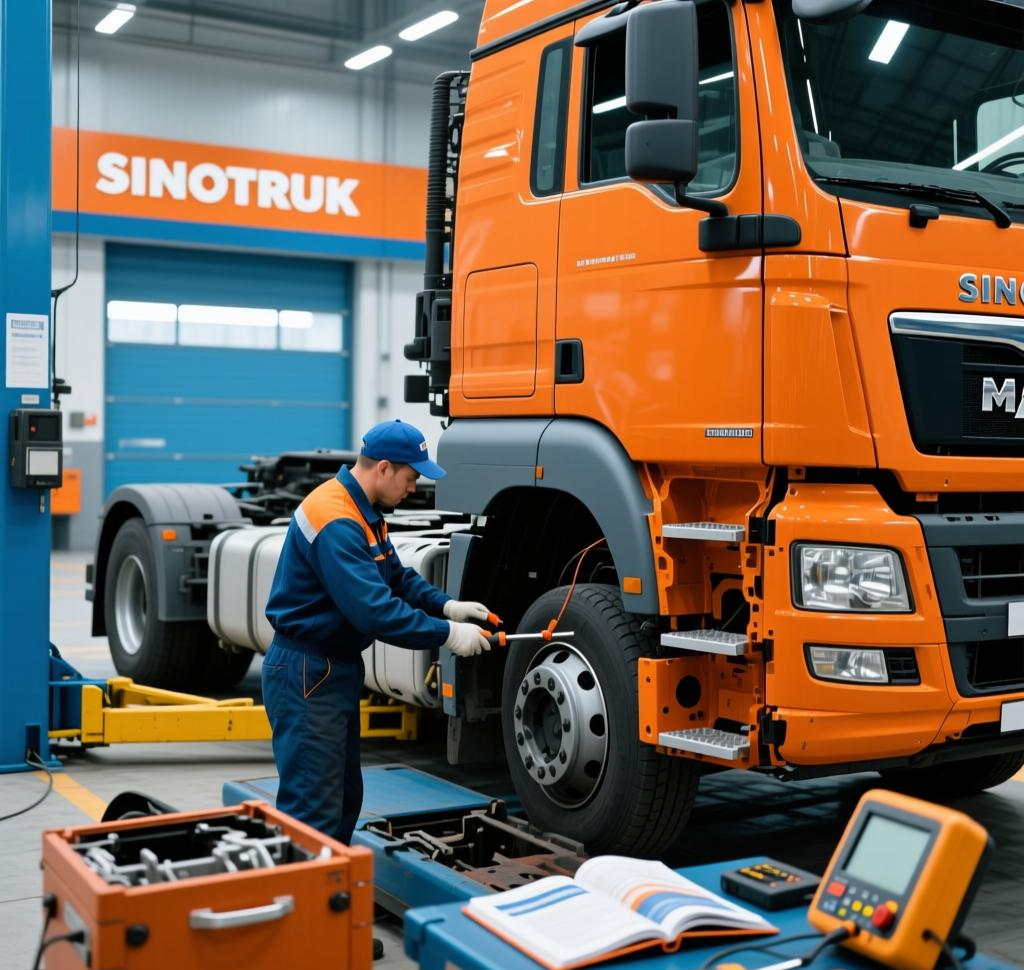
Professional maintenance programs to maximize vehicle lifespan and performance.

Technical training for operators, mechanics, and service technicians.
Find answers to common questions about SINOTRUK products and services
SINOTRUK offers a comprehensive warranty package:
SINOTRUK has a global network of parts distributors:
Recommended maintenance intervals:
Specific schedules vary by model and operating conditions.
SINOTRUK is committed to sustainable operations:
SINOTRUK offers flexible financing solutions:
Contact us for the latest product information and professional consultation, our sales team will provide you with the most suitable solution